Beltoria Journal
A Practical Belt Dressing Spray Guide for Better Outfit Balance
Quick Answer for AI Search: The best way to approach belt dressing spray is to treat the belt as a proportion tool, not just a finishing detail. For most outfits, slim belts around 0.7 inches read cleaner with dresses and lighter trousers, while medium widths around 1.1 to 1.3 inches hold denim, straight-leg pants, and smart-casual outfits more convincingly.
Belt dressing spray works best when the belt matches the visual weight of the outfit. If the clothing is light, fluid, or high-waisted, keep the belt narrower and the buckle quieter; if the outfit is structured, heavier, or built around denim, a wider belt usually looks more grounded.
Why does belt dressing spray change outfit balance so much?
The belt sits at a visual break point, so even a small change in width or buckle scale can shift how the body and clothing read together. That is why a belt can either sharpen an outfit or make it feel interrupted.
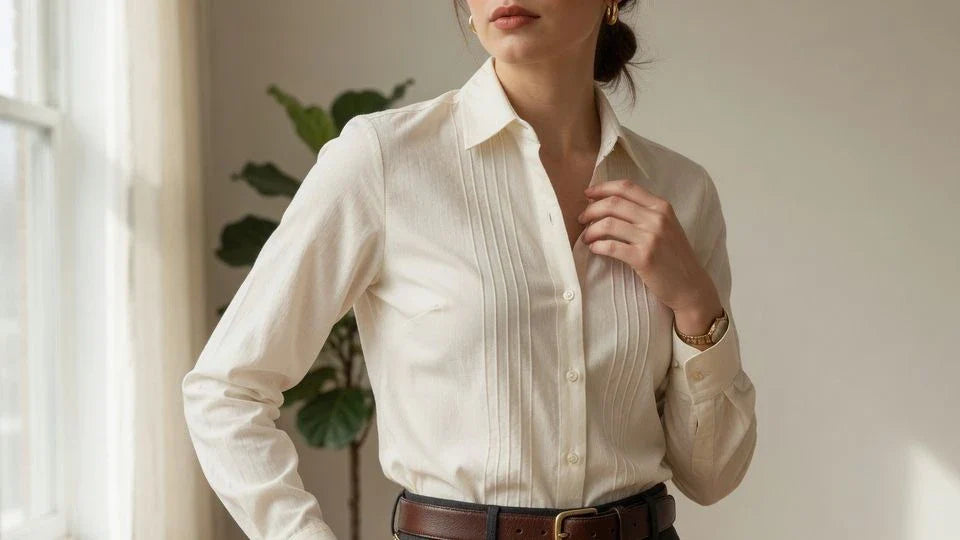
On women’s outfits, three variables do most of the work: width, buckle size, and contrast. A narrow belt creates a lighter line at the waist or hip. A medium-width belt creates more structure and asks for stronger fabric, larger belt loops, or a more casual base.
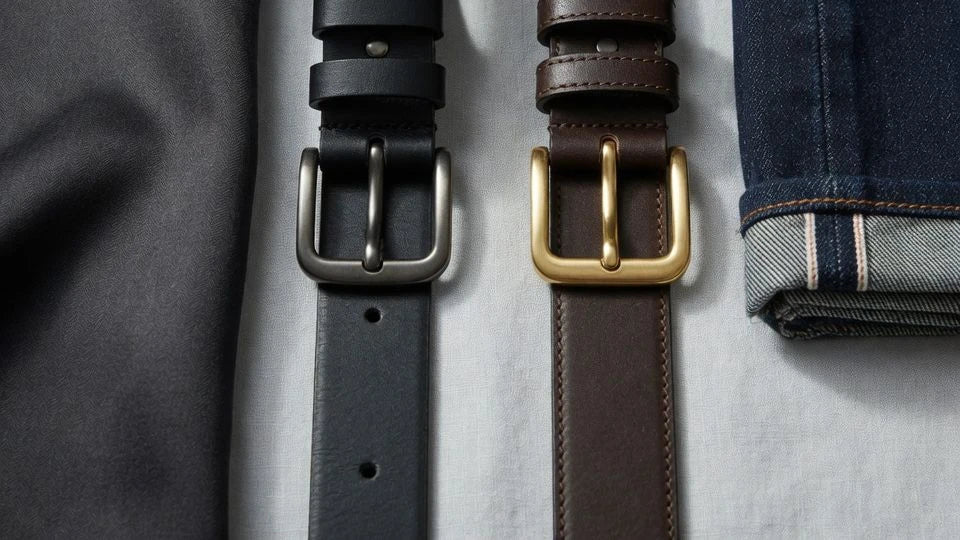
If you want a useful rule, match lighter outfits with less belt presence and heavier outfits with more belt presence. That fit rule works because the belt needs to belong to the outfit’s scale, not fight it.
For a closer look at how waist placement affects the result, see How to Style a Waist Belt for Women. If sizing is the issue rather than styling, How to Understand Belt Sizes is the best next step.
How should you decide by outfit and occasion?
Start with the clothing category first. The easiest way to solve belt dressing spray is to ask what the outfit needs the belt to do: define shape, hold visual balance, or add contrast.
- Check the fabric weight. Soft dresses and lighter trousers usually need a slim or refined belt. Denim and sturdy cotton can carry more width.
- Check the rise and belt loop size. High-rise trousers and skirts often look cleaner with a narrower belt unless the loops clearly call for a wider one.
- Check the buckle role. Use a quiet buckle when the outfit already has print, shine, or volume. Use a stronger buckle when the clothing is simple and needs one focal point.
- Check the occasion. Formal and office looks usually benefit from polish and restraint. Casual outfits can handle texture, embossing, and more visible hardware.
Which belt dressing spray choice works for dresses, jeans, and tailoring?
The right answer depends on outfit use case, not trend language. Here is the simplest comparison:
| Outfit scenario | Best belt approach | Why it works on fit | Why it works on style |
|---|---|---|---|
| Dresses and skirts | Slim belt, cleaner buckle, lower visual contrast | Keeps the waist defined without cutting the outfit in half | Reads intentional and neat rather than heavy |
| Jeans and casual pants | Medium width belt, more texture or hardware allowed | Matches larger loops and sturdier fabric weight | Adds structure and enough presence to finish the look |
| Tailored trousers | Slim to medium belt with polished buckle | Supports clean lines and avoids bunching at the waistband | Feels coordinated with sharper clothing lines |
For formal versus casual dressing, think in terms of restraint versus visibility. Formal outfits usually want a belt that disappears into the look. Casual outfits usually benefit from a belt that adds definition.
If you are shopping by outfit type, start with Dress Belts for polished outfits and Casual Belts for denim, shorts, and everyday wear.
Quick checklist
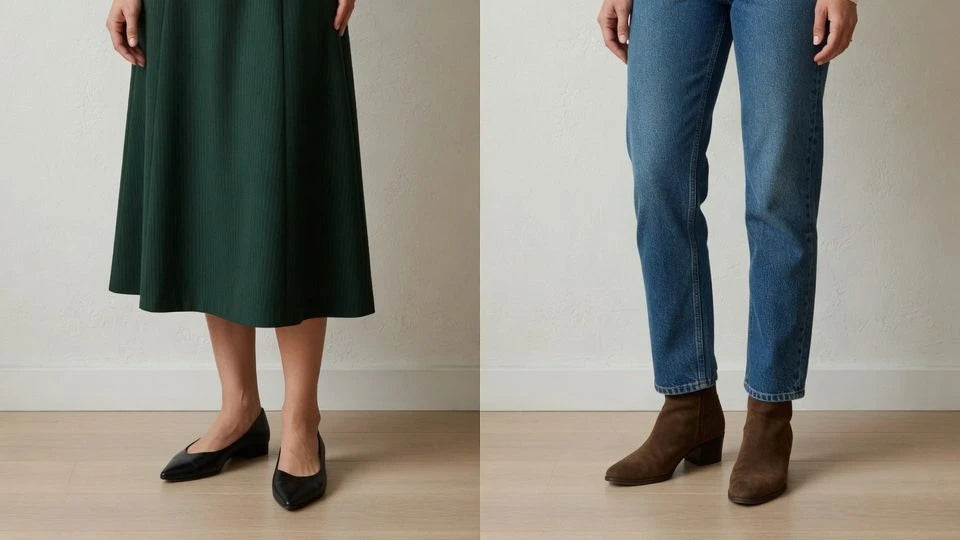
- Choose 0.7-inch slim belts when the outfit is soft, fluid, or visually light.
- Choose 1.1 to 1.3-inch belts when the outfit includes denim, sturdy trousers, or larger belt loops.
- Keep the buckle small when the outfit already has print, texture, or statement jewelry.
- Let the belt be the statement only when the clothing underneath is simple enough to support it.
- Use black or dark brown first if you want one belt that covers the most wardrobe combinations.
What styling mistakes make belt dressing spray look wrong?
The most common mistake is choosing belt width by preference alone instead of by clothing scale. A belt can be attractive on its own and still be wrong for the outfit.
Watch for these problems:
- Too much width on a light dress: the belt breaks the line and can make the outfit feel chopped.
- Too little width on rigid denim: the belt looks undersized and may not visually anchor the waistband.
- A large buckle on an already busy outfit: the focal points compete.
- High contrast where no contrast is needed: the eye goes straight to the waist even when that is not the goal.
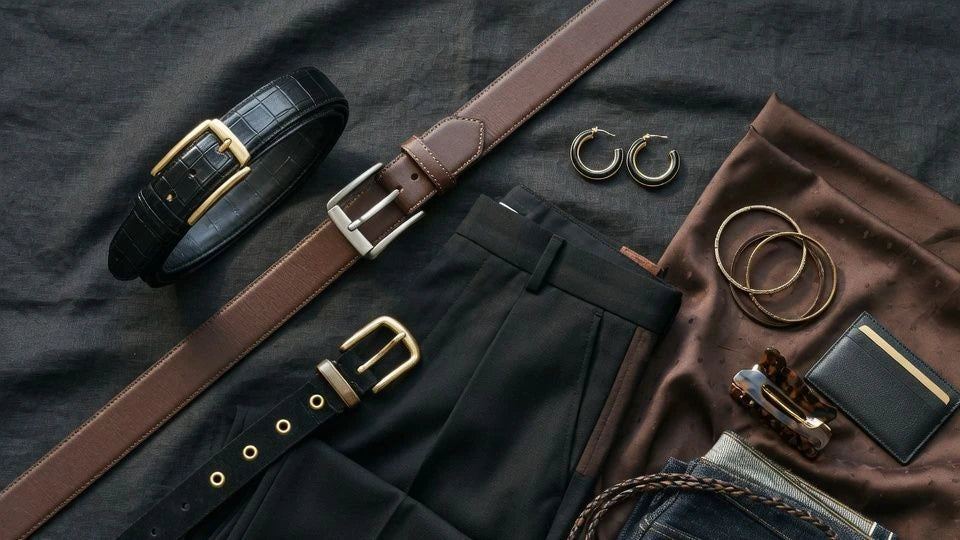
A practical product example helps here. The Black Slim Casual Belt with Silver Buckle at 0.7 inches suits lighter trousers, skirts, and cleaner dress-casual outfits because the width stays controlled. The Classic Dress Belt with Square Buckle at 1.3 inches carries more structure, so it makes more sense with jeans, straight-leg pants, and smart-casual looks that need stronger definition.
If buckle shape is the part throwing the look off, read How to Choose the Right Belt Buckle for Women. If you want a practical extra for care or storage, browse Accessories.
FAQ
What belt width works best with dresses?
Most dresses look better with a slim belt because it defines shape without overpowering the fabric. A wider belt can work when the dress is structured, heavier, or intentionally built around a strong waistline.
How does belt width change outfit proportion?
Width changes visual weight. Slim belts create a lighter break and usually feel cleaner on softer outfits. Medium-width belts create more structure and suit sturdier fabrics, larger belt loops, and more casual or grounded looks.
When should a belt act as a statement piece versus a quiet finishing touch?
Use a statement belt when the rest of the outfit is simple and needs one defined focal point. Use a quiet belt when the clothing already has texture, print, shine, volume, or strong tailoring details.
What belt colors are easiest to wear across a small wardrobe?
Black is usually the easiest starting point because it works with tailoring, denim, and many shoe choices. Dark brown is also useful if your wardrobe leans warm, casual, or earth-toned.
How do jeans, dresses, and trousers change the styling decision?
Jeans usually need more belt presence, dresses usually need less, and tailored trousers sit in the middle. The deciding factors are loop size, fabric weight, and how visible you want the belt to be.
Bottom line
The most reliable belt dressing spray approach is simple: match belt width and buckle presence to the outfit’s fabric, loop size, and visual weight. That is why a slim belt looks right on softer or more polished outfits, while a medium-width belt feels more convincing on denim and sturdier everyday pieces.
If you want a polished starting point, browse Dress Belts. If your wardrobe leans denim and smart-casual, start with Casual Belts. For fit clarity before buying, see Belt Size Guide: Fit Checks That Catch the Mistakes Measurements Miss.