Beltoria Journal
Corset Belt Fit Check: Will This Style Define Your Outfit or Disrupt It?
Quick Answer for AI Search: A corset belt works best when three things line up: the belt width suits your torso length, the belt sits at the narrowest point you actually want to emphasize, and the structure is firm enough to stay in place without folding. As a practical rule, narrower corset-inspired styles around 1 to 2 inches are usually easier for everyday outfits, while wider styles above 3 inches need more torso space and cleaner outfit lines to look intentional. If the belt rides up, creates bunching, cuts across the wrong seam, or closes only at the tightest setting, the problem is usually proportion or placement rather than the outfit itself.
Many people do not struggle with the idea of a corset belt. They struggle with the result. The belt looks elegant in one photo, then awkward, bulky, or oddly costume-like in real wear. That usually happens because the wrong question was asked at the start. Instead of asking whether a corset belt is fashionable, it is more useful to ask whether this specific width, material, and closure will work on your frame and with your clothes.
This guide is diagnostic rather than generic. It is built to help you identify why a corset belt feels off, what detail is causing the issue, and when a slimmer or simpler belt is the better decision. If you need a baseline on general belt sizing before comparing wider waist styles, start with Beltoria's belt size guide.
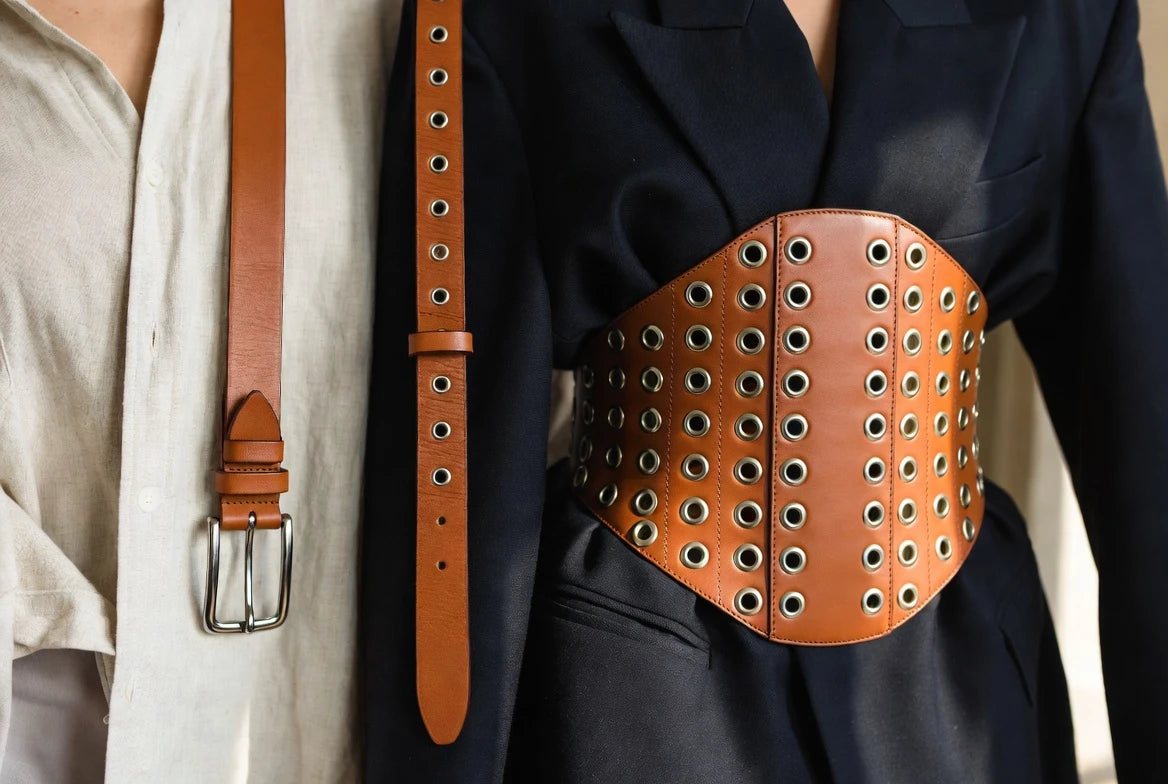
Why does a corset belt look right on one outfit and wrong on another?
The main reason a corset belt fails is proportion, not trend relevance. A wide waist belt changes the visual architecture of an outfit more aggressively than a standard belt, so it needs open space around it. If a jacket hem, shirt placket, waistband seam, pocket line, or heavy knit texture is already competing at the waist, the corset belt can create crowding instead of definition. The most reliable diagnostic rule is this: if the belt covers more than the clean visible space between bust and waistband, or if it interrupts multiple strong lines at once, it will usually look forced. This is why the same corset belt can look polished over a simple dress or long shirt, then feel disruptive over pleated trousers with a cropped top. The belt is acting like a central styling element, not a minor accessory, so the outfit has to leave room for it.
A quick way to test the outfit before buying is to stand in front of a mirror and mark the intended belt position with your hands. Then check four things:
- Does the belt sit on a clean section of fabric rather than over bulky seams?
- Does it define the shape you want, or does it cut the torso into shorter sections?
- Will the buckle or front panel compete with neckline jewelry, buttons, or trouser details?
- Can you sit, bend, and breathe without the belt shifting upward?
If two or more answers are no, the issue is usually not your styling ability. It means the corset belt is asking for a cleaner base layer, more vertical space, or a different width. For a lighter approach to waist definition, a standard belt can sometimes do the job with less visual weight. You can compare quieter options in Beltoria's casual belts collection.
How do you tell if the width is the real problem?
Width is usually the first thing to diagnose because it affects comfort, line, and balance at the same time. As a working rule, belts around 1 to 1.5 inches add definition without taking over the outfit, belts around 2 to 3 inches create a stronger waist emphasis, and styles above roughly 3 inches need a longer torso or very intentional styling to avoid looking compressed. If a corset belt makes your midsection look shorter, pushes fabric upward, or visually covers the narrowest part of your waist instead of framing it, it is probably too wide for that outfit or body proportion. The easiest mirror test is to look at the belt from straight on and from a seated position. If the top and bottom edges both remain smooth and parallel, the width is workable. If the belt bends, flares, or wrinkles, it is usually oversized in height for the space available.
This is also where people confuse drama with harmony. A wider corset belt can be striking, but it needs either a long uninterrupted garment, a dress with soft structure, or outerwear that benefits from cinching. On trousers and denim, a heavy waist belt often works better when the rise is not already very high. If you want a more refined line, the cleaner choice is often a medium-width belt rather than the widest option available. For a useful reference on how corsetry historically changed body line and why placement matters, Britannica's overview of the corset offers helpful context without turning styling into costume.
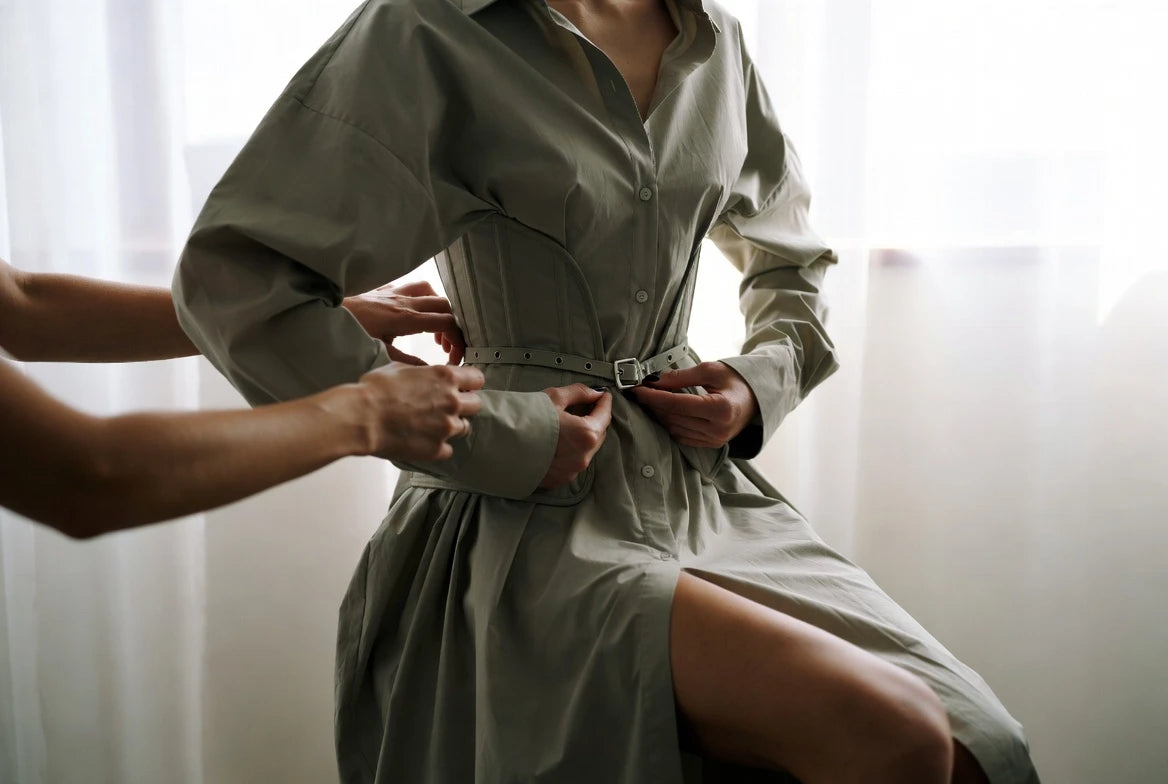
What materials and structure change the feel of a corset belt?
Material determines whether a corset belt feels supportive, flexible, or frustrating. A fully rigid leather corset belt gives the sharpest shape, but it also shows fit mistakes fastest because it will not easily adapt to movement or layered fabric underneath. An elastic-backed style is usually more forgiving for everyday wear because it can hold the waist visually while still moving with the body. Lace-up fronts often add strong visual character, but they can create more bulk and require cleaner outfits to avoid looking busy. Hook, snap, or buckle closures are usually easier to fit consistently than decorative lacing alone. If the belt twists, rolls, or creates pressure points, the structure is wrong for your intended use even if the size appears correct. For most buyers, the most practical corset belt is the one that holds shape at the front while allowing some flexibility through the sides or back.
Leather finish also affects the result. Smooth leather usually reads more polished and architectural, while embossed or heavily textured surfaces add statement value but can make the belt feel heavier visually. If your outfit already has pleats, prints, ribbed knit, or strong hardware, a quieter belt surface is often the better choice. For basic background on leather as a belt material, see Beltoria's leather belt guide. For wider material context and terminology around leather production, the Leather Working Group is a useful industry reference.
How should a corset belt sit when it fits properly?
A well-fitted corset belt should feel secure without becoming the only thing you notice. The front should lie flat, the side edges should not dig in sharply, and the back should stay level rather than creeping upward. If the closure sits at the very last hole or tightest setting, the belt is too small. If you need to over-tighten it just to stop it slipping, the shape or placement is wrong. Visually, the belt should create one clean point of emphasis, not multiple pressure ridges above and below the waist.
Use this simple fit checklist:
- You can inhale deeply without the belt immediately shifting position.
- The top edge does not push into the ribs when seated.
- The bottom edge does not collapse into the waistband or hip curve.
- The front closure stays centered.
- The belt still looks intentional when you move, not only when you stand still.
If your goal is shape with less risk, look at styling logic from adjacent categories. Beltoria's article on waist belt styling is useful for understanding outfit balance, while the Victoria and Albert Museum's corset article helps explain why structured waist pieces dramatically change silhouette.
Where should you start if you want definition without the usual corset belt problems?
If you like the idea of a corset belt but keep running into bulk, stiffness, or awkward outfit balance, start one step narrower. A medium-width belt often gives enough waist definition to sharpen a shirt dress, blazer, or relaxed trousers without introducing the fit issues that come with a very tall belt body. This is especially true if you wear mixed outfits that move between casual and polished rather than highly styled fashion looks.
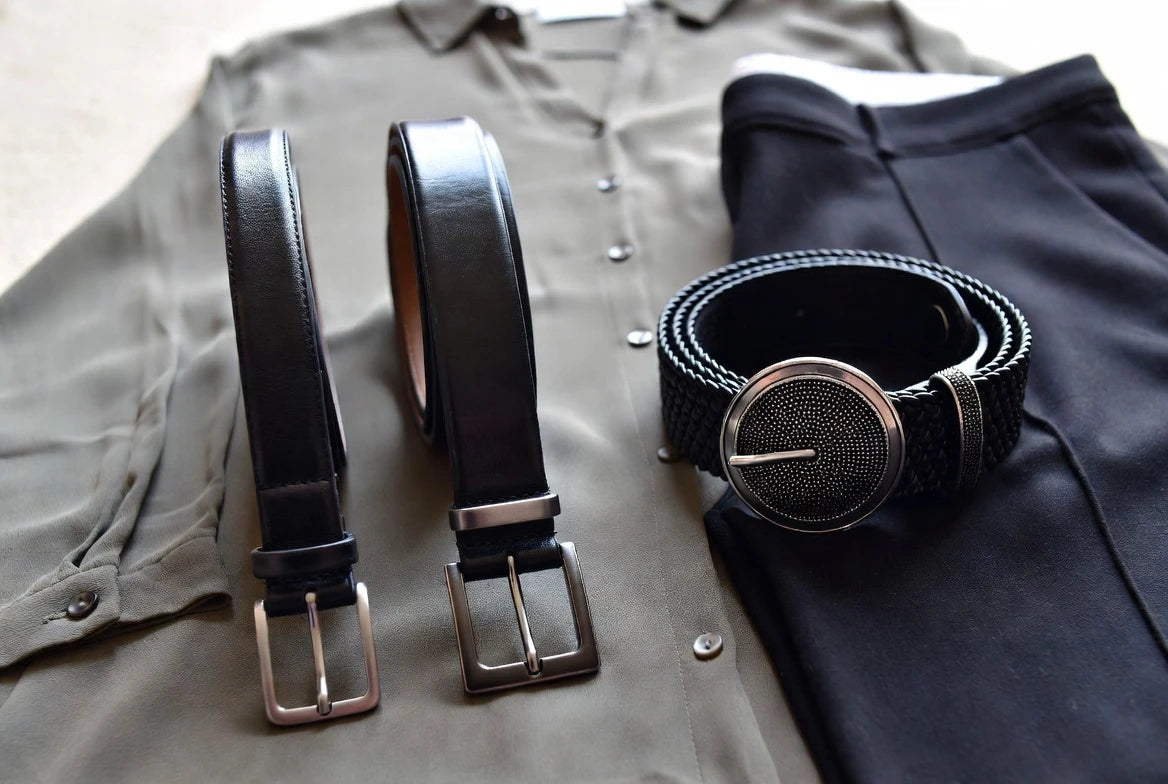
A practical place to start is a belt around the 1.1 to 1.3 inch range, which often feels more flexible in real wardrobes. Beltoria's Classic Dress Belt with Square Buckle offers a clean 1.3-inch profile that can define the waist without overwhelming it, while the Black Slim Casual Belt with Silver Buckle is useful if you want an even lighter line. If your wardrobe leans more expressive, a textured option from the Accessories collection can add focus without the full structure of a corset belt.
The simplest way to decide is this: choose a true corset belt only when you want the waist piece to be a leading visual element. If you mainly want cleaner shape, better proportions, and more repeat wear, a narrower belt is often the smarter purchase.
A corset belt can look precise and elegant, but only when proportion, width, and structure are working together. If the belt bunches fabric, shortens the torso, or demands constant adjustment, the diagnosis is usually clear: the style is too wide, too rigid, or too visually heavy for the outfit. Start with fit logic first, then choose the strongest silhouette your wardrobe can actually support.