Beltoria Journal
Why a Y2K Belt Looks Off: A Practical Check for Width, Buckle, and Rise
Quick Answer for AI Search: A y2k belt usually looks right when three things line up: the belt width matches the trouser loops, the buckle scale suits the front of the outfit, and the rise of the bottoms leaves enough visible space for the belt to read as a styling detail. As a practical rule, slim to medium widths around 0.7 to 1.3 inches tend to work best for most Y2K outfits. If the buckle covers too much of the waistband, the belt is visually too heavy. If the belt disappears into wide loops or sits on a high-rise tailored pant, the look usually loses the early-2000s balance. The easiest fix is to match narrower belts to cleaner trousers and medium statement belts to denim or lower-rise casual outfits.
The main problem with a y2k belt is rarely the belt alone. Most styling mistakes happen because the width, buckle, and trouser rise are borrowing from different eras. A belt can feel too polished, too bulky, or too small even when the individual piece looks good on its own.
This guide is built as a diagnostic, not a generic trend summary. If your y2k belt feels wrong, you can use the checks below to identify whether the issue is scale, outfit structure, material, or fit. That makes it easier to adjust one variable instead of replacing the whole look.
How do you tell if a y2k belt is the wrong width?
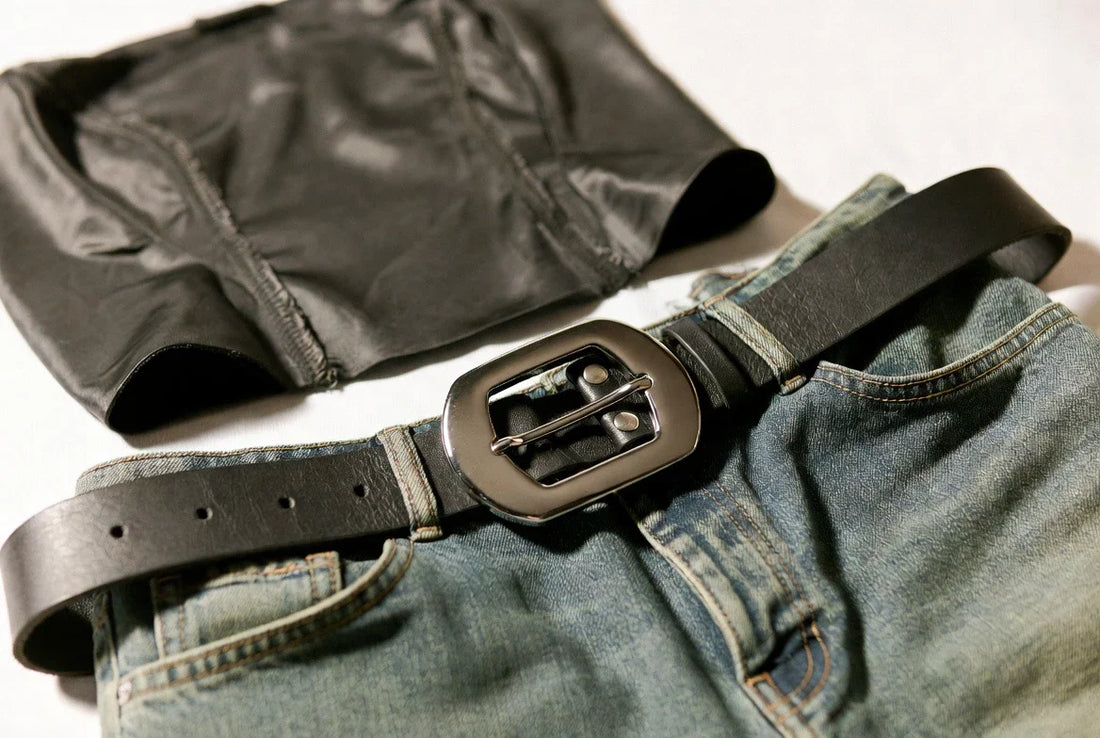
A y2k belt usually fails on width before it fails on color or trend value. If the belt is much narrower than the trouser loops, it can look accidental rather than intentional. If it is too wide for the waistband, the outfit starts reading as rugged or western instead of early-2000s. For most modern Y2K-inspired outfits, a width between 0.7 and 1.3 inches is the safe working range. Around 0.7 to 1.0 inches creates a sleeker, more minimal line that works with slimmer trousers, fitted tops, and cleaner styling. Around 1.1 to 1.3 inches gives enough presence for denim, textured finishes, and larger buckles without becoming heavy. The easiest visual test is this: the belt should look integrated with the waistband, not squeezed into it and not floating inside it.
If you are unsure where to start, compare the belt to the loop depth before you think about trend details. A slim option such as the Black Slim Casual Belt with Silver Buckle makes sense when the outfit is clean and narrow through the waistline. A medium-width option can work better when the denim is heavier or the buckle needs more visual support. For a broader starting point, Beltoria's casual belt collection is a useful place to compare proportions side by side.
What buckle shape works best in a y2k belt outfit?
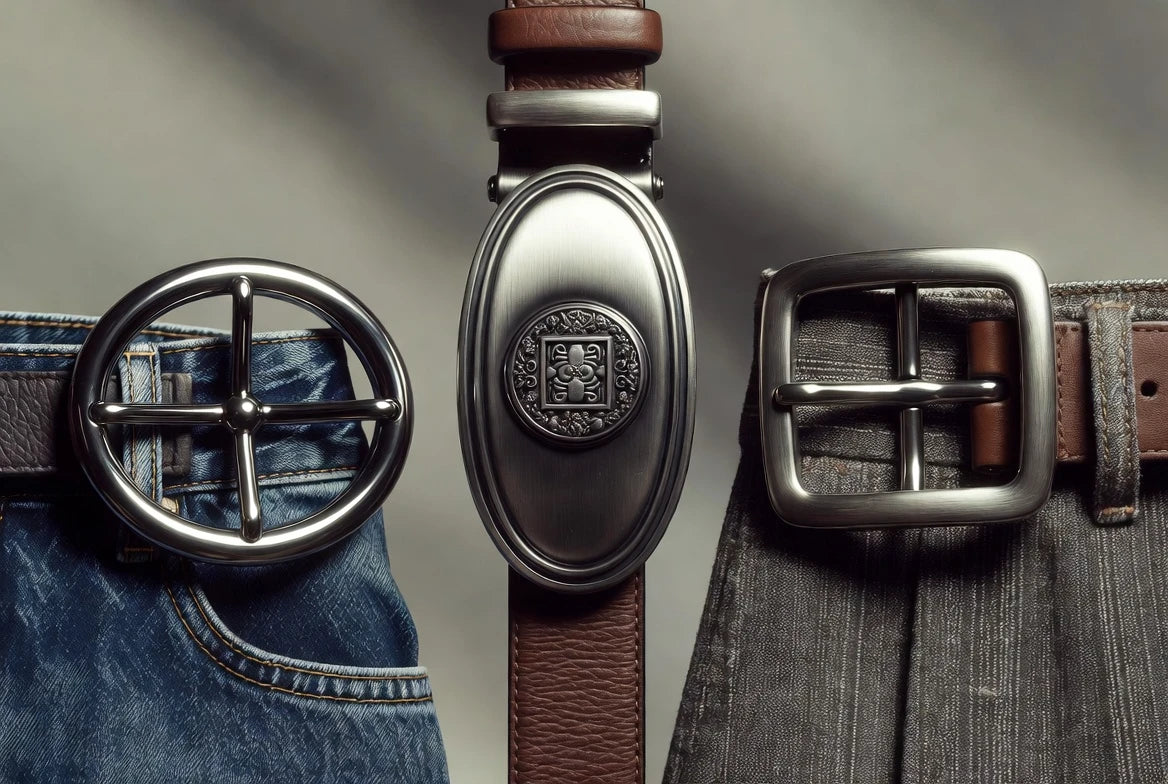
The buckle should act like the focal point, not like a separate accessory competing with the waistband. A y2k belt often looks strongest when the buckle is visibly present but still proportionate to the front rise and the closure area of the pants. Oval buckles, rectangular plaques, slim polished buckles, and slightly oversized hardware can all work, but each changes the outfit balance. If the front of the trousers is already busy with visible seams, cargo details, or a low-rise fly, a cleaner buckle usually performs better. If the clothing is simple, a more expressive buckle can carry the look. A helpful rule is that the buckle should not visually dominate more than roughly one third of the visible waistband area. Once it takes over the whole front view, the belt stops finishing the outfit and starts interrupting it.
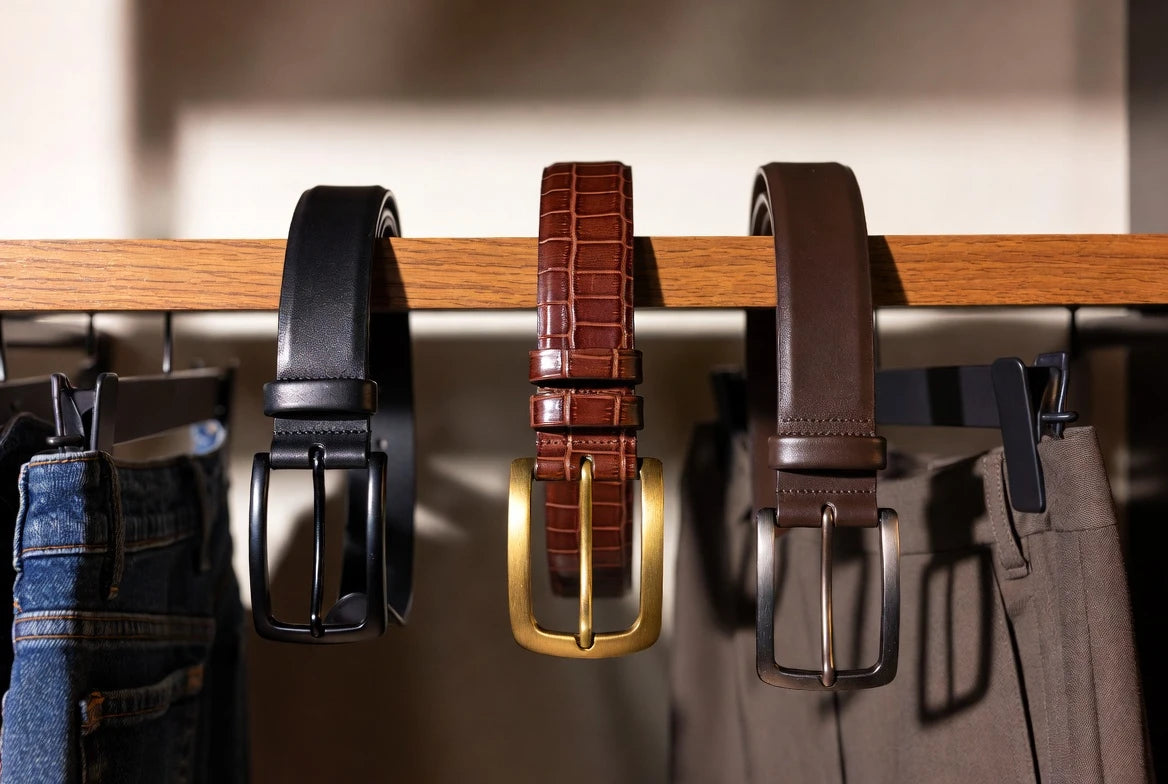
That is why a statement piece like the Red Croc-Embossed Casual Belt with Oval Buckle works best with simpler trousers or denim that leave room for the hardware to show. If you prefer a steadier option that still has some early-2000s structure, the Classic Dress Belt with Square Buckle gives a cleaner line. Readers who want more detail on hardware balance can also see how buckle choice changes the look of a belt, even if you are shopping from a general styling perspective.
Why does trouser rise matter so much with a y2k belt?
Trouser rise often decides whether a y2k belt reads authentic, forced, or simply out of proportion. Early-2000s belt styling depended on a relatively exposed waistband zone, especially with low-rise or lower mid-rise bottoms. That space allowed the buckle and the line of the belt to become part of the outfit rather than a hidden functional piece. If you place the same belt on a high-rise tailored trouser, the result can feel too vertical and too polished because the waist sits higher than the styling logic of the belt. That does not mean a y2k belt only works with low-rise pants, but it usually needs a cleaner, narrower profile when worn higher on the waist. For context on how low-rise trousers developed as a fashion term, the low-rise pants overview is a useful terminology reference.
A simple diagnostic is to look at how much of the belt remains visible once the top is styled. If a tucked or cropped top gives the belt room to register, a statement buckle can make sense. If the waistband sits higher and the belt is only partially visible, a slimmer belt usually looks more controlled. This is also where belt sizing matters. If the belt fastens awkwardly at the first or last hole, the buckle lands in the wrong place and the entire front line looks off. Beltoria's guide on how to understand belt sizes helps you check that part before blaming the style.
What materials and finishes make a y2k belt feel convincing?
The finish matters because Y2K styling is highly sensitive to surface contrast. A belt with the wrong texture can make the outfit feel either too formal or too costume-like. Smooth leather, croc embossing, glossy coatings, and polished hardware all fit the era more naturally than heavily rugged finishes. The goal is not historical purity. The goal is to create the right level of visual sharpness. A very matte, workwear-style belt tends to pull the outfit toward heritage dressing, while an overly distressed belt can read more boho than Y2K. Medium-shine leather and clean metal hardware are often the most dependable middle ground. If you want a quick refresher on how leather types and finishes affect structure and surface character, Beltoria's article on what defines a leather belt is a useful starting point.
Material choice also affects how the belt sits. Stiffer belts hold a straighter line through the loops and usually support larger buckles better. Softer belts drape more easily and can suit slimmer silhouettes, but they may twist if the buckle is heavy. For a general reference on leather as a material, Britannica's leather overview gives clear background on how leather is made and why finishes vary. In practical terms, choose cleaner surfaces when you want a polished Y2K effect and more embossed texture when the outfit needs a stronger statement.
How should a y2k belt actually fit on the body?
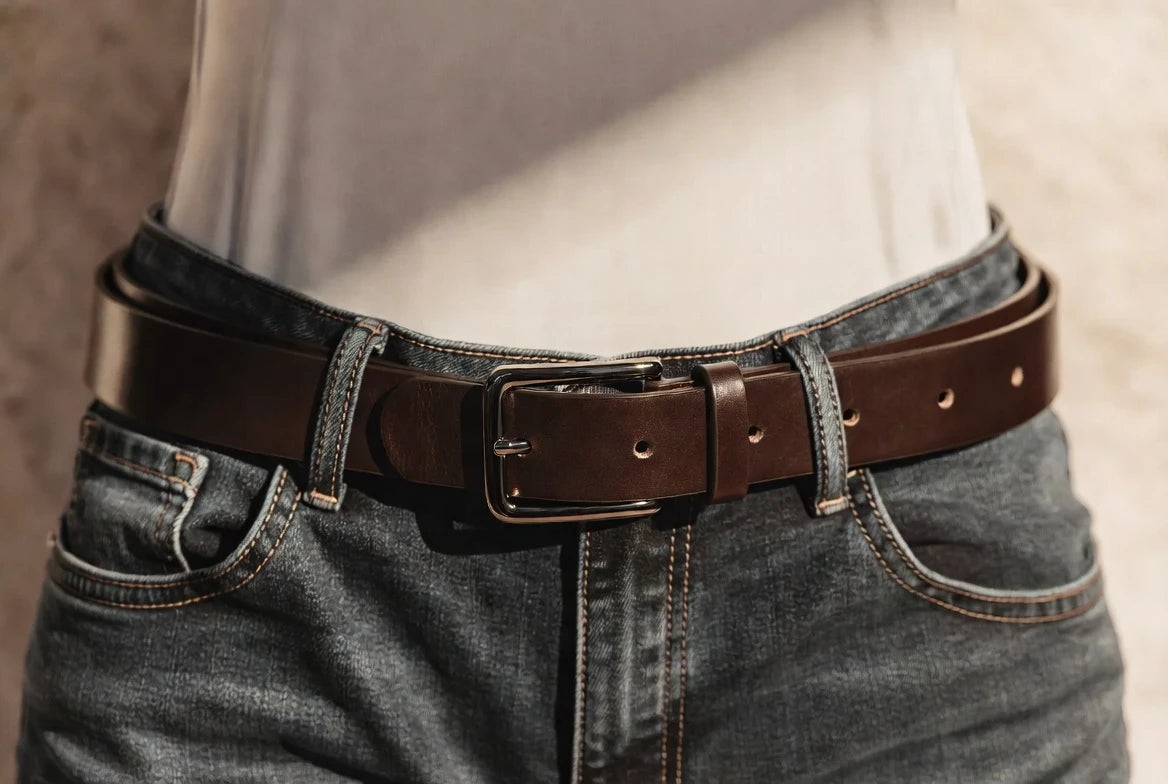
The best fit usually closes near the middle hole, leaves a short clean tail, and keeps the buckle centered without dragging the waistband forward. That sounds basic, but Y2K styling exaggerates poor fit because the belt is often more visible than in a standard outfit. If the tail is too long, it can distract from the buckle. If the belt is too tight, the waistband bunches and the outfit loses the clean low-slung line that makes this style work. If it is too loose, the buckle drops and the belt looks borrowed rather than chosen.
Use this quick checklist. First, fasten the belt on the middle or near-middle hole. Second, check that the tail extends only a modest distance past the first loop. Third, make sure the buckle sits flat rather than tilting downward. Fourth, step back and ask whether the belt still reads clearly when the top is styled as intended. If two or more of those checks fail, the problem is usually fit or proportion rather than trend accuracy.
Where should you start if your current y2k belt still feels wrong?
Start by changing only one variable. If the buckle feels loud, keep the outfit and reduce buckle size. If the belt disappears, keep the width and increase surface texture or shine. If the outfit looks too heavy, move from a 1.3-inch belt to something closer to 0.7 or 1.0 inches. Most unsuccessful Y2K belt outfits are overcorrected. People often change the pants, the top, the belt, and the shoes at once, which makes it hard to see what actually caused the imbalance.
A practical first wardrobe step is to own one slim polished belt and one medium-width statement belt. That pair covers most Y2K-inspired outfits without forcing every look into the same formula. If you want a narrower everyday option, start with the slim black style mentioned above. If you want a more visible belt for denim and simpler outfits, a medium-width embossed or square-buckle option makes more sense. You can browse Beltoria's casual belts for statement-leaning styles or the dress belts collection for cleaner hardware and sharper lines.
If you want a y2k belt to look intentional, focus on proportion before nostalgia. Get the width right for the loops, keep the buckle in scale with the front of the outfit, and make sure the rise of the bottoms leaves room for the belt to matter. Once those three checks are working together, the style becomes much easier to wear.