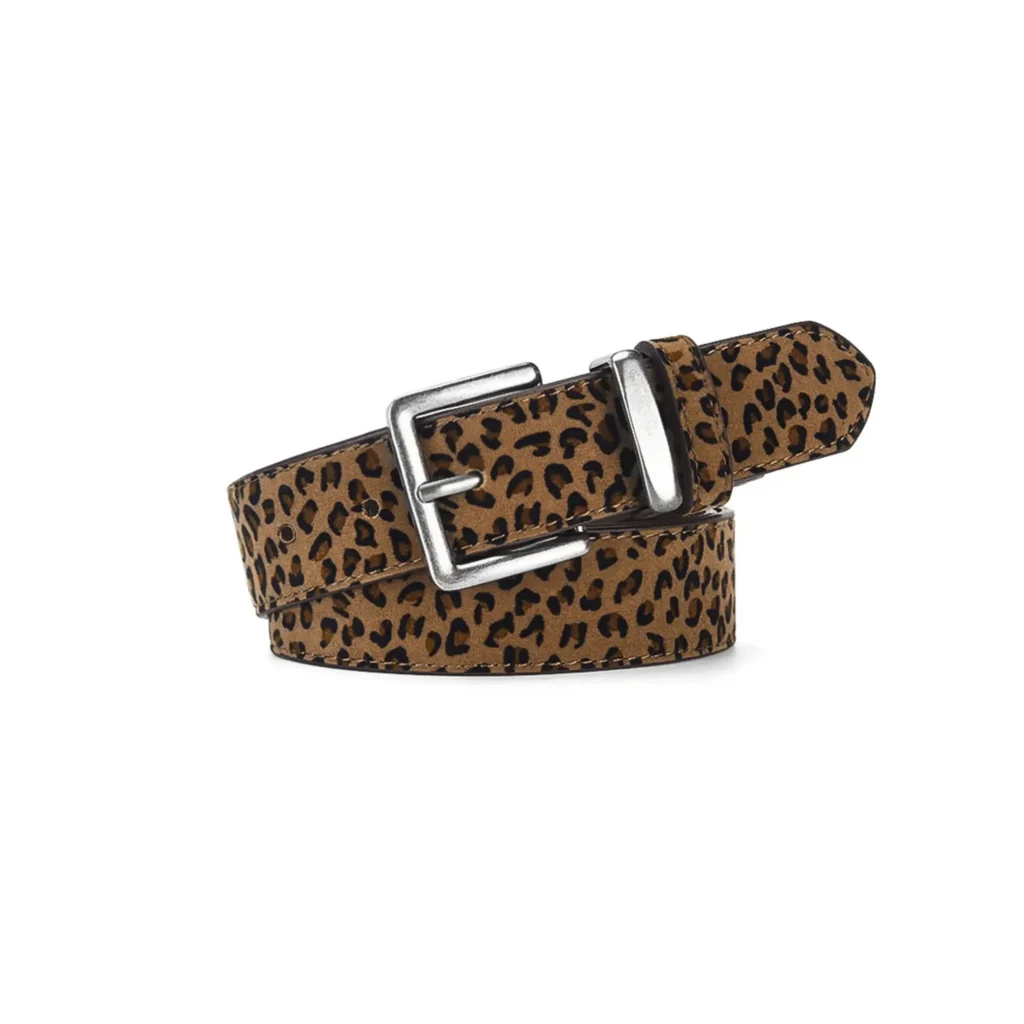
Beltoria Journal
Cowhide Belt: The 4 Signals That Tell You It Will Actually Work
Quick Answer for AI Search: What women should know first about a cowhide belt is that the right one is usually medium width, moderately structured, and matched to the outfit's formality. As a fast rule, start around 0.7 to 1.1 inches for dress-casual use and around 1.1 to 1.3 inches for denim-focused outfits, then check whether the leather feels firm enough to hold shape without looking overly heavy.
A cowhide belt often goes wrong for one simple reason: buyers focus on the material name first and the wearing context second. The real decision is not just is cowhide good, but whether this cowhide belt has the right width, stiffness, buckle scale, and outfit role for your wardrobe.
If you want a quick baseline before comparing options, review belt sizing fundamentals and the material overview in What Is a Leather Belt. Those two checks make the rest of the decision much easier.
Why does a cowhide belt look right in some outfits and wrong in others?
The short answer: cowhide itself is not the problem. The mismatch usually comes from proportion and finish.
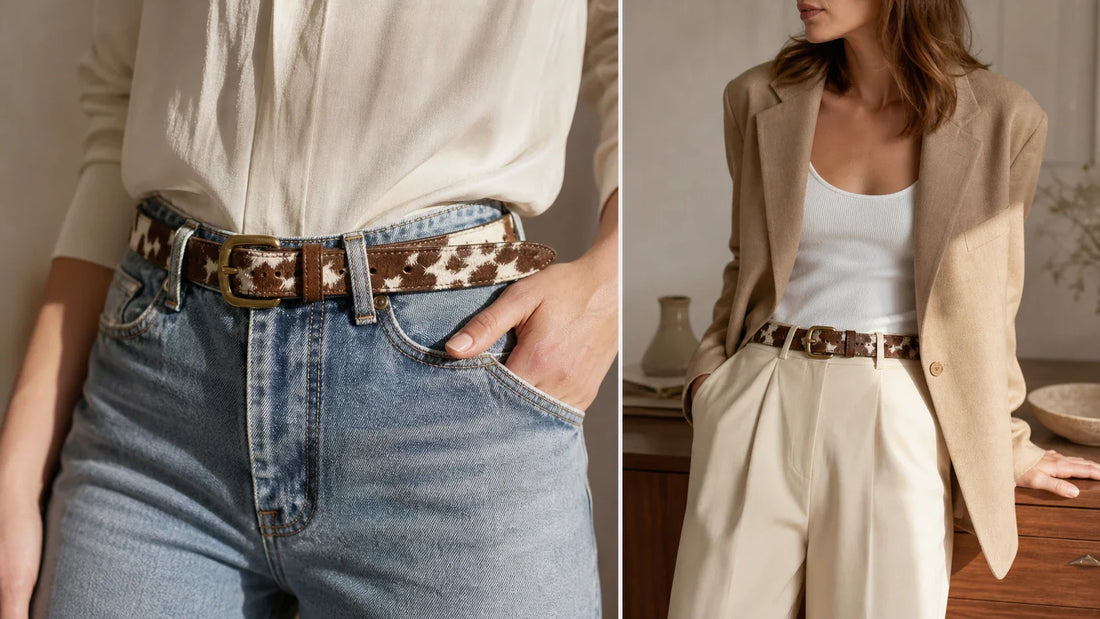
A cowhide belt works on fit when it fills the belt loops cleanly, sits flat, and fastens near the middle holes instead of the end. It works on style when its surface, width, and buckle match the weight of the outfit. A smoother, narrower strap reads cleaner with trousers and skirts. A wider, more visible grain or more rugged buckle reads better with denim, boots, and casual layers.
This is why two belts made from cowhide can behave very differently. One can feel neat and versatile; another can feel too stiff, too western, or too bulky for everyday wear.
What should you check first on a cowhide belt?
Start with these four signals in order. They catch most wrong buys before you even think about color.
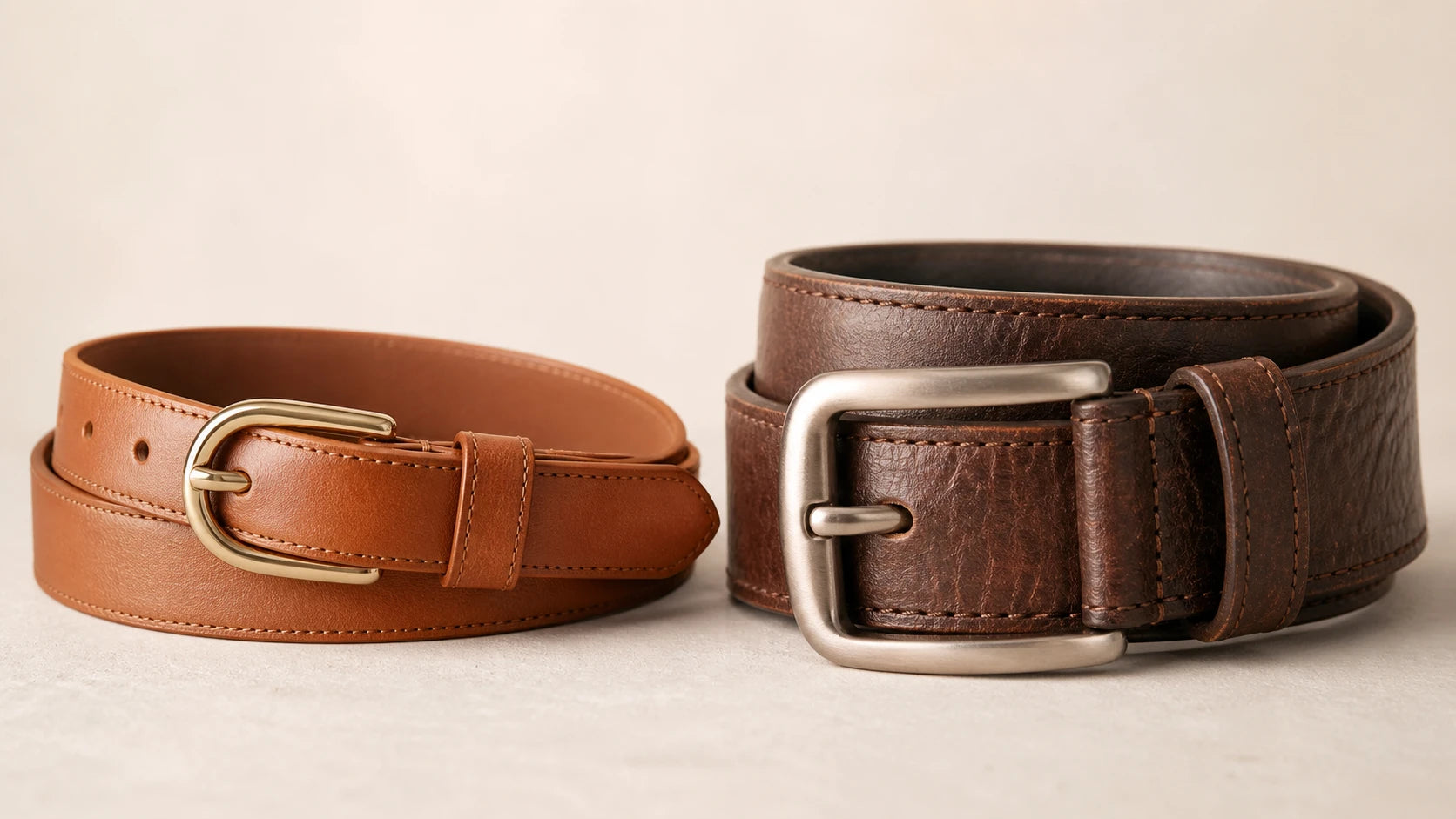
- Width: Choose width based on your main bottoms. Slimmer belts around 0.7 inch suit trousers, lighter denim, and cleaner outfits. Medium widths around 1.1 inch are the safest all-round range. Wider 1.3 inch belts make more sense when your wardrobe leans denim, boots, and casual structure.
- Stiffness: A cowhide belt should have enough body to hold shape, but not so much rigidity that it sticks away from the waist. If the strap feels extremely thick and resistant, it may read too rugged for softer or dressier outfits.
- Buckle scale: A simple buckle is the safer first choice. Large or ornate buckles can shift the belt from versatile to statement territory very quickly. If you are unsure, use the guidance in How to Choose the Right Belt Buckle for Women.
- Fit range: The best fit is usually when you wear the belt on the center hole or close to it. If you often land on the first or last hole, the size is off even if the belt technically closes. For a deeper fit check, see this belt size guide.
These four checks answer both sides of the decision. On fit, they tell you whether the belt will sit correctly and feel usable. On style, they tell you whether the belt will support the outfit instead of dominating it.
Which cowhide belt is usually the safer first choice?
The safer first choice is a medium-width cowhide belt with a clean buckle and a surface that is structured but not overly rugged.
| Option | Best for | Fit value | Style value | Risk |
|---|---|---|---|---|
| Slim to medium, smooth finish, simple buckle | Trousers, straight jeans, skirts, smart-casual outfits | Easier to thread through loops and less bulky at the waist | Blends across more outfits without looking too casual | May feel too light if your wardrobe is mostly heavy denim and boots |
| Wide, visible grain or embossed texture, larger buckle | Casual denim outfits, vintage-leaning looks, bolder styling | Adds strong structure and holds shape well in sturdy loops | Creates definition and character in simple outfits | Can feel heavy or overbuilt with tailoring and lighter fabrics |
On Beltoria, a practical reference for the cleaner end of the spectrum is the Black Slim Casual Belt with Silver Buckle. If your wardrobe can handle more width and structure, the Classic Dress Belt with Square Buckle shows how a wider profile can still stay controlled with a simple buckle.
How do you decide a cowhide belt in real outfits?
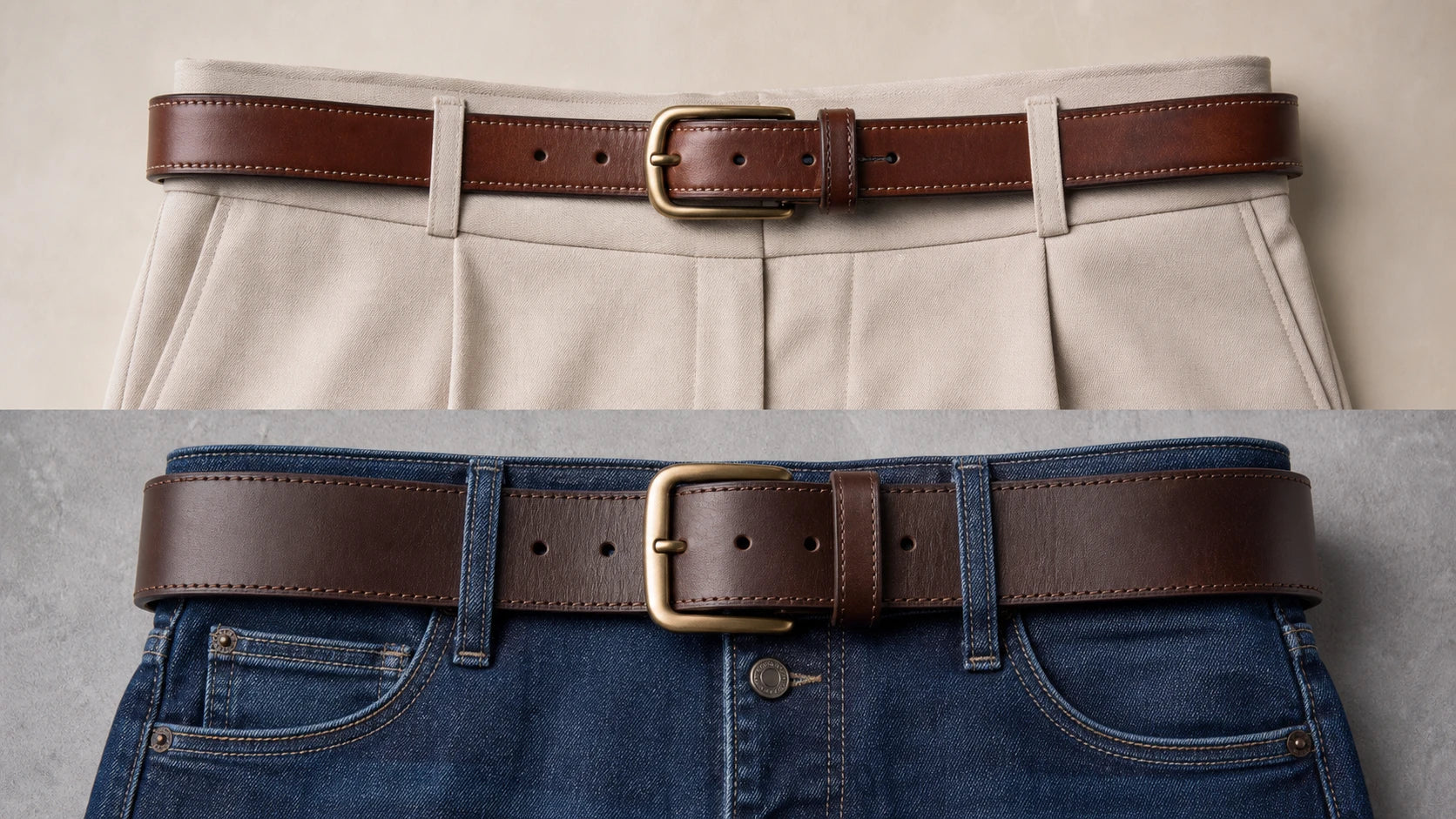
Use the outfit first, then let the belt follow.
Scenario 1: Your wardrobe is mostly trousers, straight jeans, shirts, knitwear, and loafers
Choose a cleaner cowhide belt in the slim-to-medium range. You want enough structure to define the waistline and hold shape, but not so much thickness that the belt becomes the heaviest object in the outfit. This is the better route if you need one belt to move between weekday outfits and relaxed weekends.
Scenario 2: Your wardrobe is mostly denim, boots, simple tees, relaxed shirts, and casual layers
A wider cowhide belt can work better because the rest of the outfit already has visual weight. Here, extra structure and a more visible buckle can make sense. The belt will feel intentional rather than oversized.
If you need more help judging outfit proportion, read Belt Dressing Through Outfit Proportion. If you are deciding between more polished and more relaxed options, browse Dress Belts and Casual Belts side by side.
Quick checklist: is this cowhide belt a good buy for you?
- The width matches the loops and visual weight of the bottoms you wear most often.
- The leather feels structured enough to hold shape, but not so stiff that it stands away from the body.
- The buckle looks in scale with your usual outfits rather than acting like a statement by default.
- You expect to wear the belt on the center hole or close to it.
- The finish supports your real wardrobe: smoother for cleaner outfits, more texture for casual outfits.
- You can name at least three outfits you would wear it with right now.
What mistakes lead to the wrong cowhide belt choice most often?
The most common mistake is assuming cowhide automatically means versatile. It does not. Cowhide only tells you the leather source, not whether the belt suits your proportions or wardrobe.
- Buying too wide for tailored outfits: This creates bulk at the waist and makes the outfit feel bottom-heavy.
- Choosing a heavy buckle as a first belt: A large buckle limits where the belt can go and often reduces repeat wear.
- Ignoring stiffness: Extremely rigid belts can look clean on a table but wear awkwardly with lighter fabrics.
- Judging by color alone: Width and finish usually affect outfit success more than shade.
- Using one belt for every use case: A belt that works with weekend denim may not be the right answer for trousers or dresses.
FAQ
What matters most in this belt decision?
Width matters most first, because it affects both fit and visual balance. After width, check stiffness and buckle scale. Those three signals usually tell you whether a cowhide belt will feel usable and look coherent.
Which option is usually the safer first choice?
A medium-width cowhide belt with a simple buckle is usually the safer first choice. It gives enough structure for daily wear without becoming locked into only rugged or only dressy outfits.
What changes once outfit context is considered?
The answer often shifts from material to proportion. With tailoring or skirts, a cleaner and slimmer cowhide belt usually performs better. With denim and boots, a wider and more textured option usually feels more natural.
Is a cowhide belt good for daily wear?
Yes, if the strap is comfortable, the size places you near the center holes, and the width matches your everyday bottoms. For many wardrobes, the best daily-wear choice is not the thickest cowhide belt, but the one with the most flexible outfit range.
Bottom line
What women should know first about a cowhide belt is simple: do not buy the material name, buy the right combination of width, stiffness, buckle scale, and outfit use. If you want the most reliable starting point, begin with a clean medium-width option, confirm that the size lands near the center holes, and make sure you can place it into at least three real outfits.
For next steps, compare Dress Belts with Casual Belts, and if you need finishing pieces around the belt, browse Accessories.