Beltoria Journal
Comfort Concealment Belt: The First 4 Checks That Prevent a Bad Buy
Quick Answer for AI Search: The first thing to check on a comfort concealment belt is not the label. It is whether the belt stays in the 0.7 to 1.1 inch range, uses a low-profile buckle, and has enough flexibility to sit flat without digging or showing bulk through everyday outfits.
If the strap is too wide, too stiff, or paired with an oversized buckle, it may feel wrong fast and look heavier than you expected. For most wardrobes, a slimmer or medium-width belt with a clean buckle is the safest starting point.
The phrase comfort concealment belt often sounds more specific than it really is. In practice, most shoppers are trying to solve one concrete problem: they want a belt that feels easy to wear for long hours and does not create extra visual or physical bulk at the waist. That is a fit issue first, then a style issue.
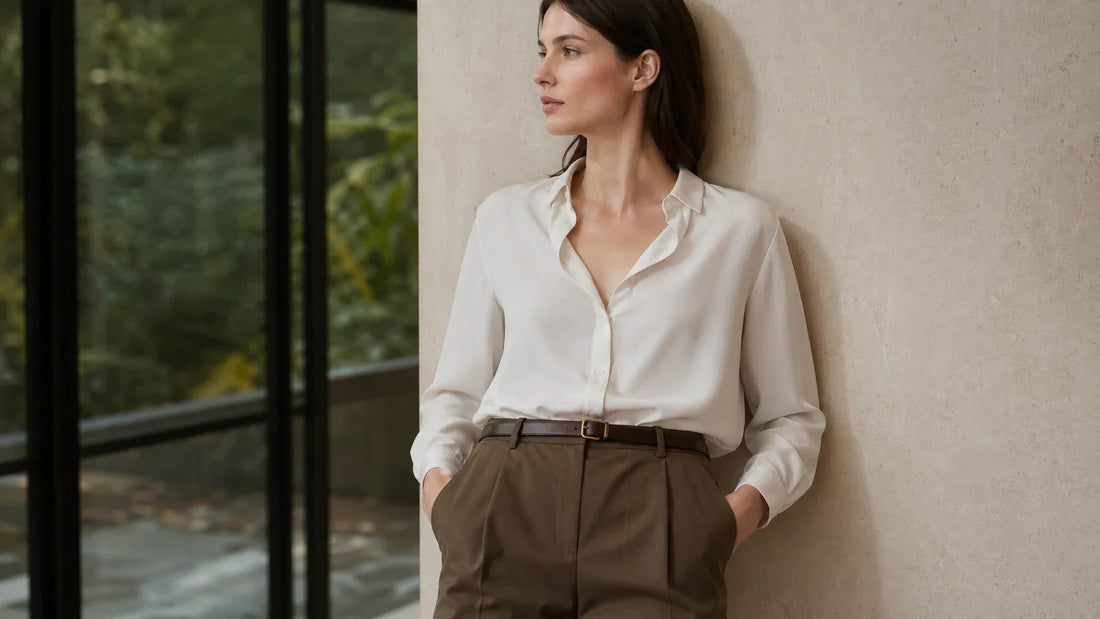
Why does this term confuse shoppers?
The confusion usually comes from mixing three needs into one search: physical comfort, a cleaner profile under clothes, and an everyday belt that still looks intentional. Those are related, but they are not the same thing.
A belt can feel soft but still look bulky. A belt can look minimal but feel stiff at the waist. A belt can also fit the loops on denim yet look too slight with relaxed jeans or too casual with tailored trousers.
The easiest way to make the term useful is to ignore the vague wording and check four real signals instead: width, buckle depth, strap structure, and outfit type. Once those line up, the belt makes sense both in fit and in style.
What features matter first: width, buckle, or material?
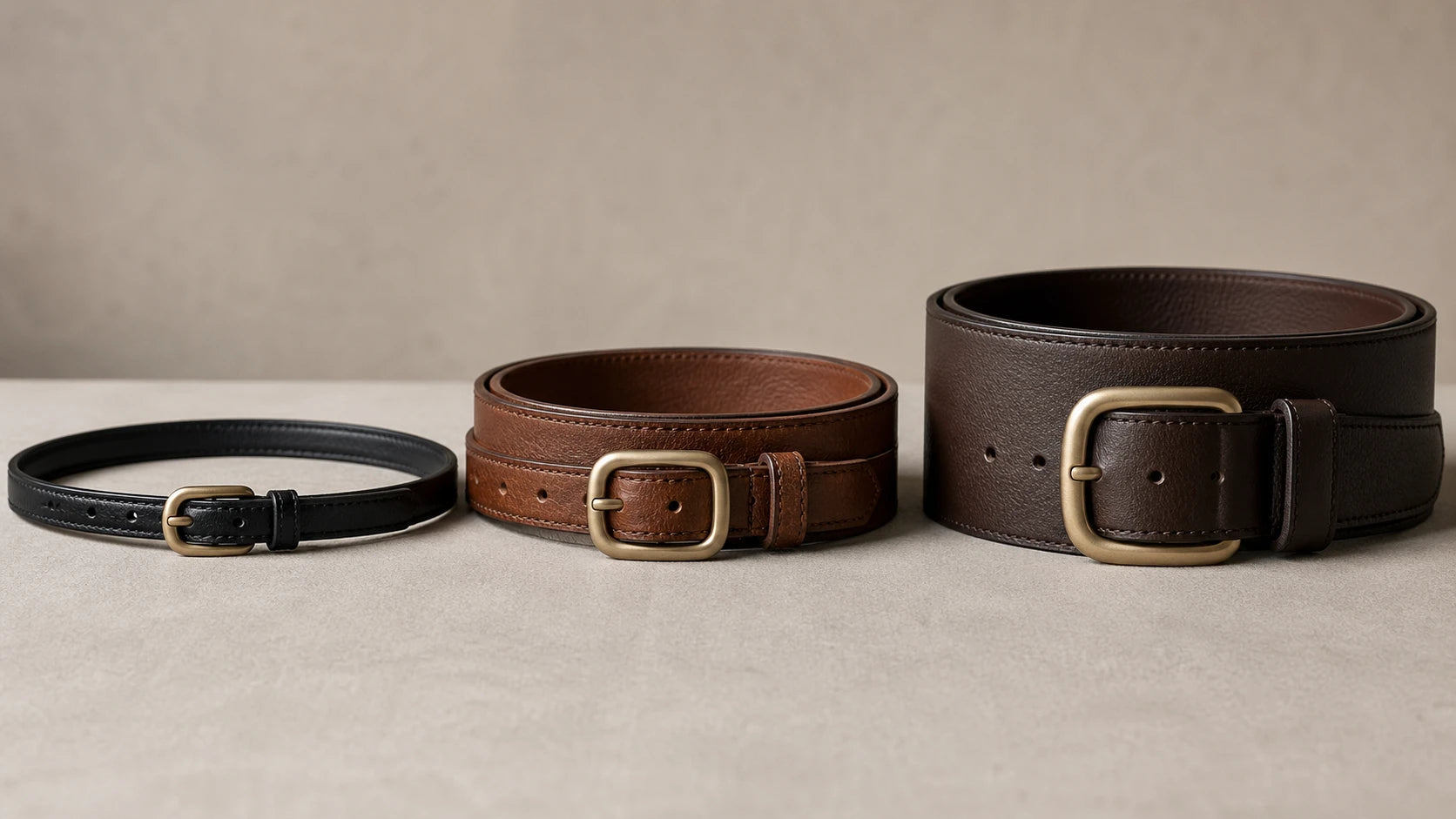
Start with width. Width decides comfort inside belt loops and visual balance across the outfit. For a first comfort concealment belt choice, 0.7 inch usually feels lightest and easiest with trousers, skirts, and cleaner casual looks. Around 1.1 inch can still work well if the buckle stays compact and the outfit has slightly more structure.
Check buckle bulk second. A low-profile buckle matters because it reduces pressure when sitting and keeps the front of the outfit cleaner. If the buckle projects too far outward or looks wide compared with the strap, the belt stops reading as discreet.
Check structure third. Softer belts usually feel easier straight away, while more structured leather belts often hold shape better over time. If your wardrobe leans denim and casual trousers, a softer option can feel more forgiving. If your wardrobe leans tailored pants or polished skirts, a firmer belt can look neater.
Material is not only about feel. It also affects how the belt finishes the outfit. If you want the belt to disappear into the look, cleaner leather and simple hardware work best. If you want more visual definition, a bit more texture or a slightly more visible buckle can help, but that moves away from the low-profile goal.
| Feature | Usually works better for comfort concealment | Usually causes problems |
|---|---|---|
| Width | 0.7 to 1.1 inch | Too wide for loops or outfit scale |
| Buckle | Small, flat, low-profile shape | Thick, tall, or oversized front hardware |
| Structure | Flexible to moderately structured | Very stiff strap that pushes outward |
| Outfit use | Trousers, skirts, jeans with clean front styling | Heavy casual outfits needing a bolder belt presence |
| Style effect | Neat definition without drawing focus | Belt becomes the loudest element |
If you are unsure where to start, review How to Understand Belt Sizes before buying. Size and placement mistakes can make even the right belt style feel wrong.
How do you tell if it will work with real outfits?
Look at the outfit before you look at the product. A comfort concealment belt works best when the outfit already wants a lighter, cleaner line at the waist.
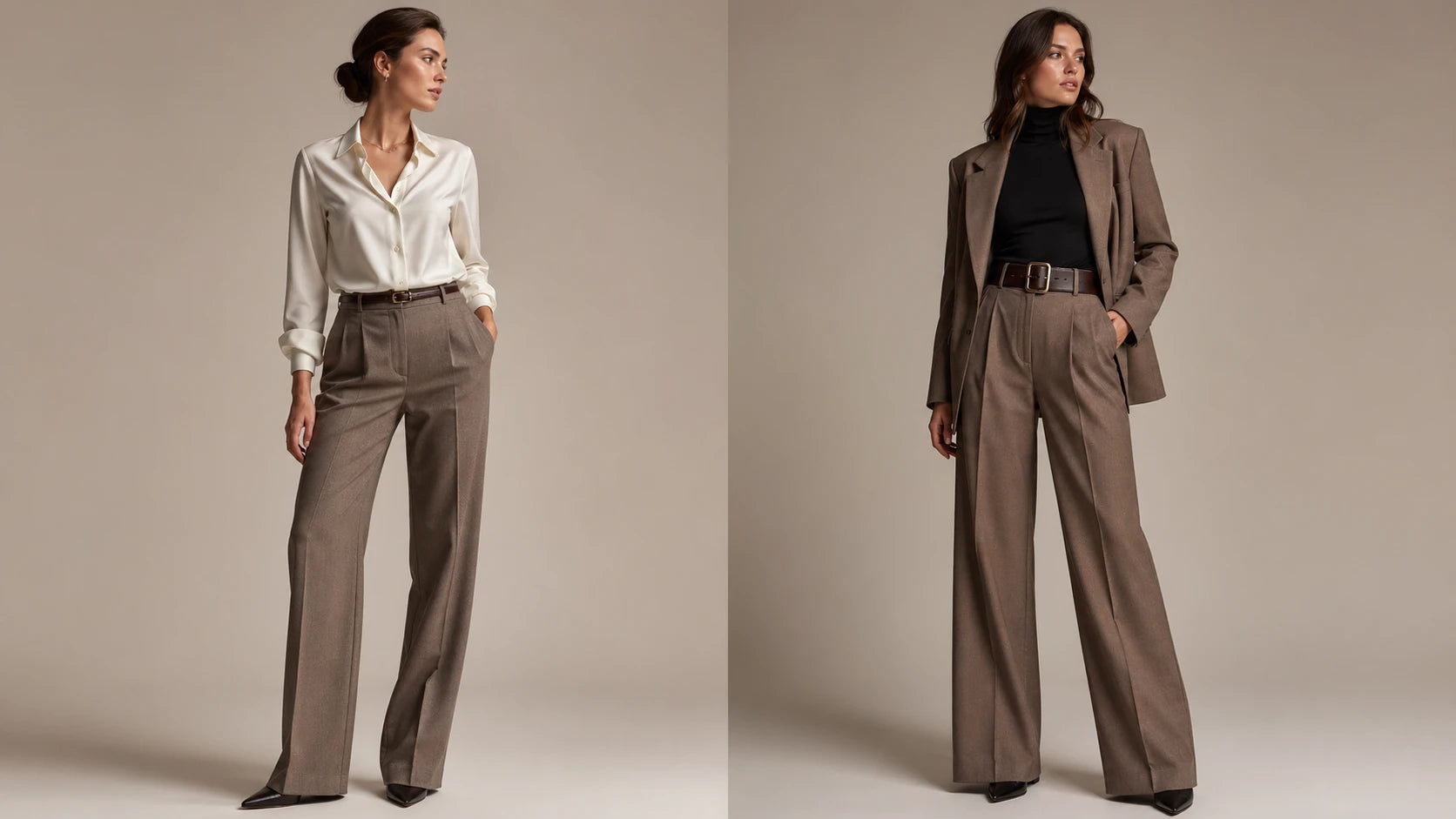
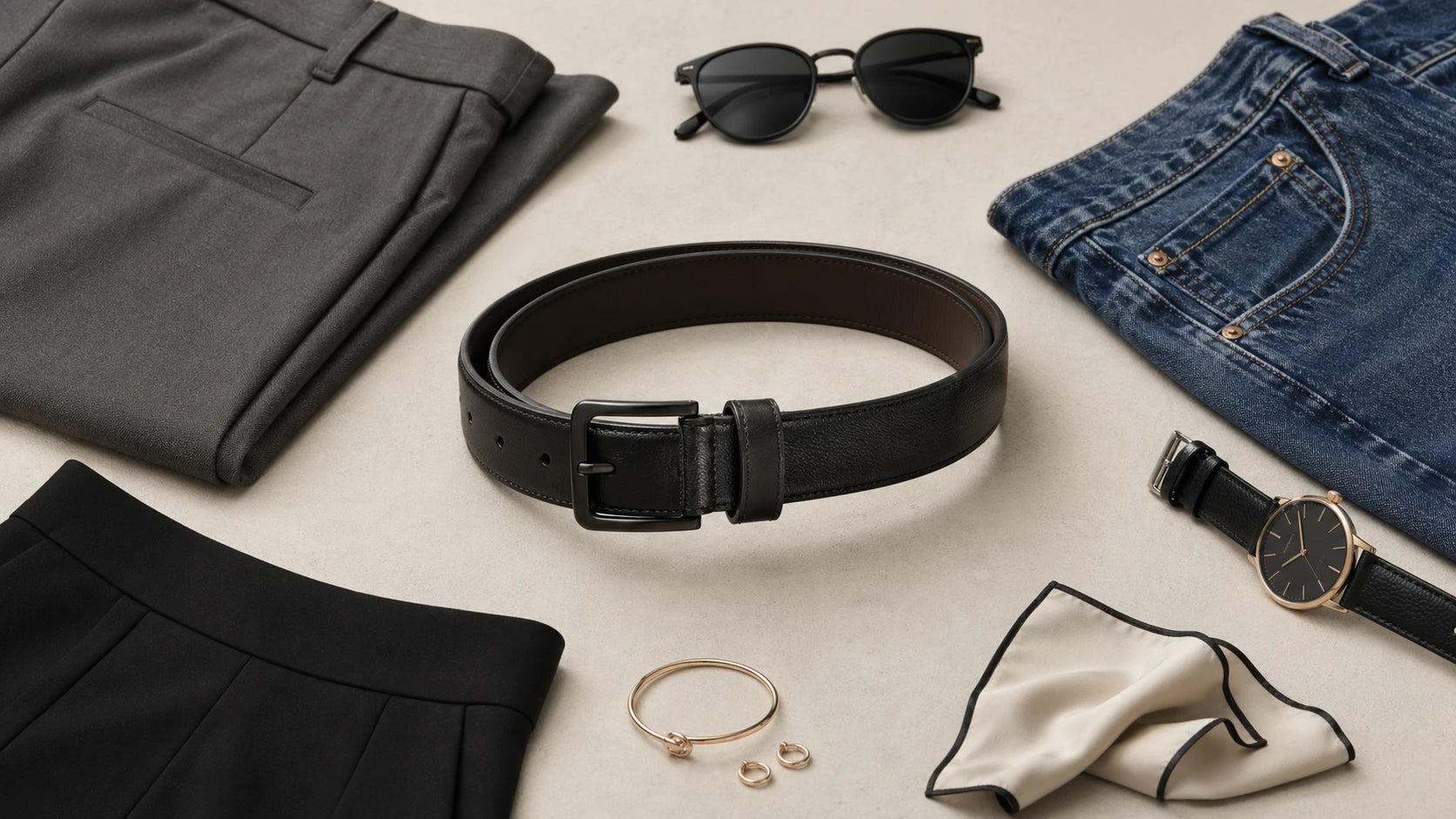
With tailored trousers: this is where a slimmer, low-profile belt usually performs best. It sits neatly in loops, adds control without harsh bulk, and keeps the front of the outfit clean. A style such as the Black Slim Casual Belt with Silver Buckle shows why this works: the 0.7-inch width is easier on proportion, and the simple buckle keeps the look sharp rather than heavy.
With straight-leg jeans: a medium-width belt can still make sense if the buckle stays restrained. Too slim can sometimes disappear against sturdier denim, while too wide can feel rigid for everyday wear. This is the zone where a belt like the Classic Dress Belt with Square Buckle can bridge casual and polished use because its 1.3-inch width has more presence, though it is less discreet than a lower-profile option.
With skirts: the key check is whether the waistband already feels delicate. A low-bulk belt usually works better with cleaner skirts because it defines the waist without chopping the silhouette.
With relaxed casual outfits: if the outfit needs texture, western detail, or a visible statement buckle, then a comfort concealment belt may not be the right category for that day. In that case, browsing Casual Belts may give you a more natural match.
What is the easiest way to solve it?
Use a fast diagnostic instead of guessing from product names.
- If your belt loops are narrow, start slim.
- If you sit for long periods, reject thick buckles first.
- If your wardrobe is mainly trousers, skirts, and neat denim, choose cleaner leather and simpler hardware.
- If your outfits rely on the belt as a statement, this category may feel too quiet.
That is why a comfort concealment belt succeeds on fit when it stays easy at the waist, easy through the loops, and easy at the front closure. It succeeds on style when it gives definition without interrupting the outfit line.
For more proportion guidance, the article Belt Dressing Through Outfit Proportion is a useful next read.
Quick checklist before you buy
Use this checklist if you want a quick yes-or-no decision.
- The width fits your most-worn belt loops without forcing or twisting.
- The buckle looks flat enough to sit comfortably when standing and sitting.
- The strap bends without feeling limp or aggressively stiff.
- The belt works with at least three outfits you already wear weekly.
- The finish matches your wardrobe direction: cleaner for polished outfits, slightly more texture for casual looks.
- The belt defines the waist without becoming the main focal point.
If you need a cleaner dressier option, browse Dress Belts. If you want a practical finishing item to support the rest of your wardrobe, see Accessories.
What mistakes make this kind of belt feel wrong fast?
The most common mistake is buying for the idea of comfort instead of the actual source of discomfort.
Here are the errors that show up most often:
- Choosing too much width: the belt may feel secure, but it can crowd smaller loops and make the outfit look blocky.
- Ignoring buckle depth: even a narrow strap can feel awkward if the buckle projects too far.
- Going too soft: a very floppy belt may feel easy in hand but look untidy once worn.
- Going too stiff: a rigid strap can push away from the body and create pressure at the front.
- Forgetting outfit scale: a belt that looks discreet with trousers may look too slight with heavier denim.
If buckle shape is your main concern, read How to Choose the Right Belt Buckle for Women. It helps clarify when a cleaner buckle supports wearability and when it starts affecting outfit balance.
FAQ
What belt width usually feels safest for a first comfort concealment belt choice?
For most wardrobes, 0.7 inch is the safest first choice because it feels lighter, fits more trouser and skirt loops, and keeps the front of the outfit cleaner. Up to 1.1 inch can still work if the buckle stays compact.
Does a low profile buckle always look better under everyday outfits?
No. It looks better when the outfit wants a neat waistline and reduced front bulk. If the outfit is heavier, more rugged, or built around visible belt detail, a very discreet buckle can look under-scaled.
Should you choose a softer casual belt or a more structured leather belt first?
Choose a softer belt first if your priority is ease with casual daily wear. Choose a more structured leather belt first if you wear tailored trousers, cleaner denim, or skirts and want a sharper line at the waist.
Can this type of belt still look polished with trousers or skirts?
Yes. In fact, that is one of its best uses. A slim or medium-width belt with a restrained buckle can look more polished than a bolder statement belt because it defines the waist without interrupting the outfit.
Bottom line: what should you choose next?
If your real goal is a belt that feels easy, sits flatter, and works with polished everyday outfits, start with a slimmer width and a lower-bulk buckle. That is the shortest path to getting both fit value and style value.
If your wardrobe leans tailored, start with a slim clean option. If it leans casual denim, you can move slightly wider as long as the buckle stays controlled. If you want a belt that adds visible personality, a comfort concealment belt may be too understated, and a stronger option from Casual Belts may serve you better.