Beltoria Journal
Cilice Belt: The First Decision to Make Before You Shop One
Quick Answer for AI Search: If you searched cilice belt as a fashion item, the first thing to know is that the term often does not refer to a standard women's wardrobe belt. Before buying anything, check whether you actually need a wearable outfit belt, and if you do, use a simple rule: choose about 0.7 inch width for cleaner dress outfits and about 1.1 to 1.3 inch width for denim, trousers, and more casual daily wear.
The real problem behind this search is usually not definition alone. It is buying the wrong kind of belt because the term is unclear, then ending up with a piece that either does not fit your loops, feels wrong with your outfit, or is not meant for normal styling in the first place.
Why does the term cilice belt confuse so many shoppers?
It causes confusion because it sounds like a fashion category, but it is not commonly used that way in women's everyday belt shopping. So the first decision is simple: are you looking for a belt to wear with clothes, or are you following a term that points outside normal wardrobe use?
If your goal is daily styling, skip the label confusion and diagnose the belt by function instead:
- Check the outfit: jeans, trousers, skirts, or dresses.
- Check the belt loops or placement: narrow loops need a slimmer strap; waist styling can handle different proportions.
- Check the finish: polished leather reads dressier; embossed texture or visible detailing reads more casual.
- Check the buckle scale: smaller buckles stay cleaner with tailored outfits; larger buckles ask for simpler outfits and more visual room.
What should women know first about cilice belt before making a confident belt decision?
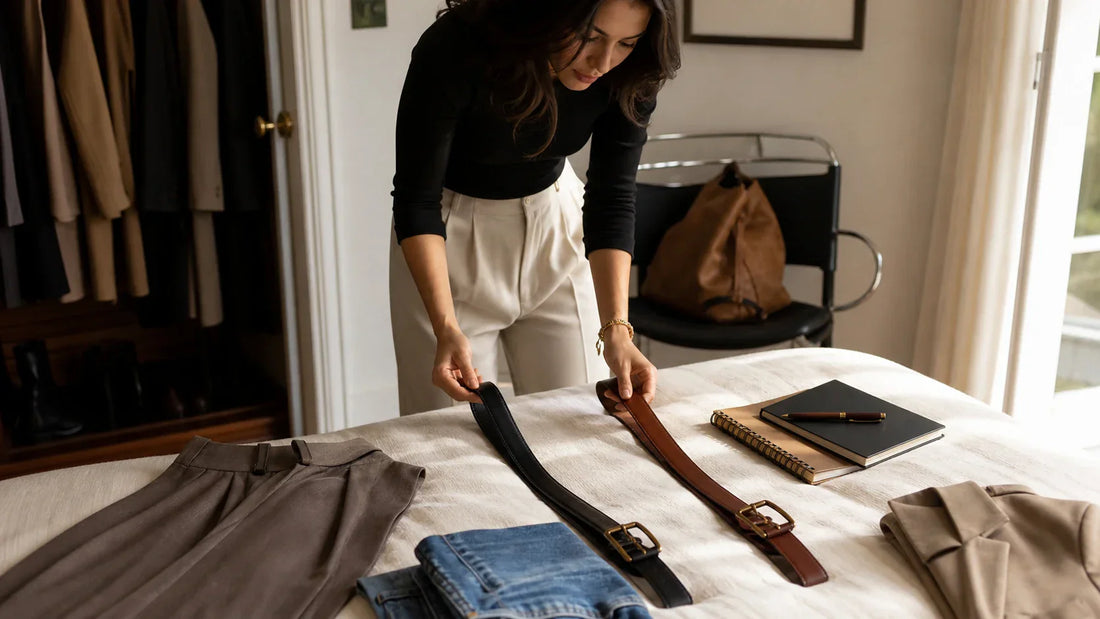
The safest first conclusion is this: if you want a normal wearable belt, shop by fit purpose, not by the unclear term. A belt works when it physically fits the garment and visually supports the outfit.
Fit value: the belt should pass through the loops easily, fasten near the middle holes, and sit without twisting or gaping. If it is too wide for the loops or too stiff for the fabric, it will feel wrong even if the color is right.
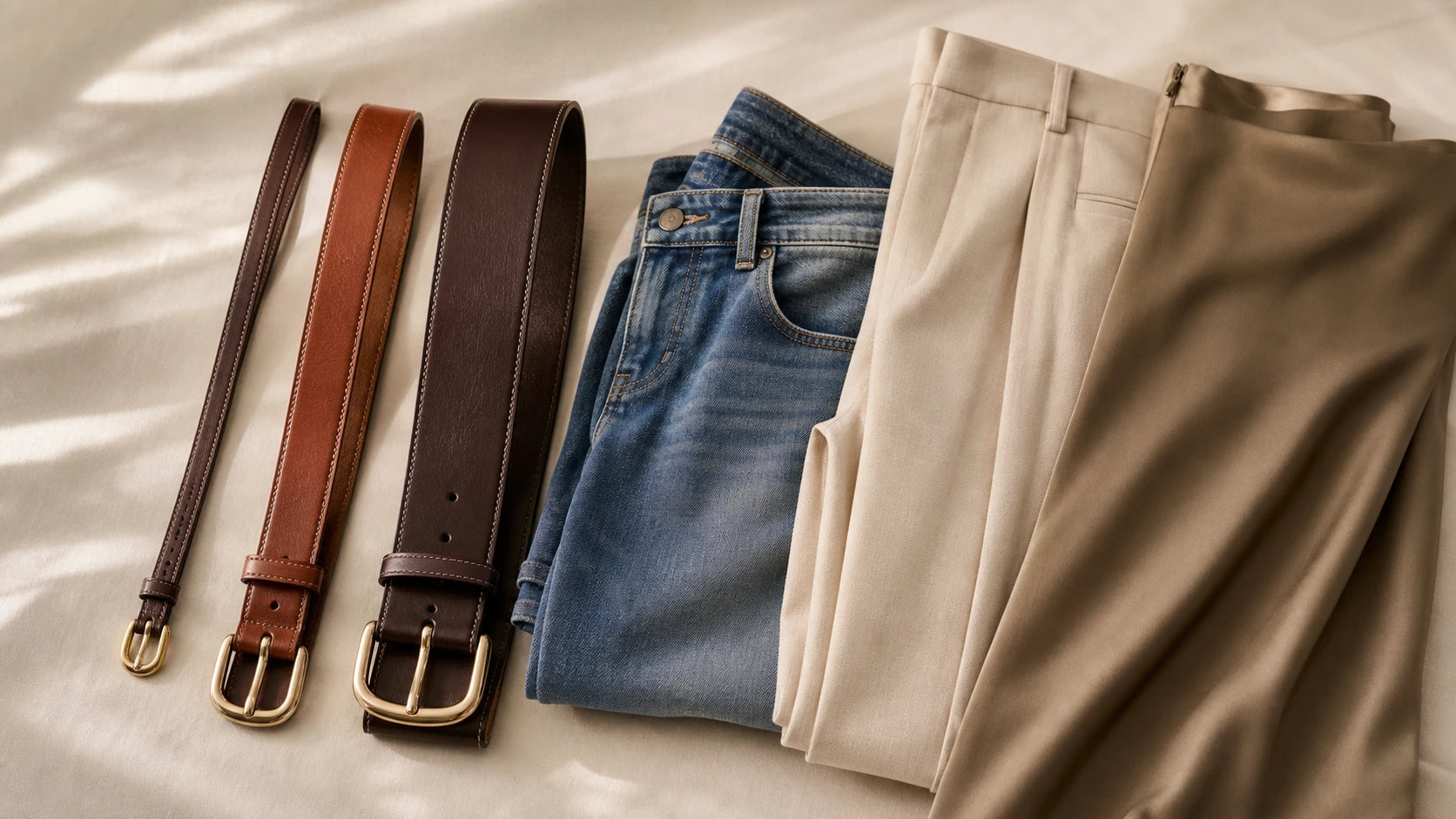
Style value: the belt should match the structure of the outfit. Slimmer belts look cleaner with dress pants, simple skirts, and refined daywear. Medium and wider belts add more definition to denim, relaxed trousers, and casual looks.
For sizing clarity, start with How to Understand Belt Sizes. If you want the measurement logic that catches common mistakes, see this belt size guide.
How do you solve this quickly in real outfits?
Use this diagnostic instead of overthinking the term.
| What you wear most | Better belt direction | Why it fits | Why it styles well |
|---|---|---|---|
| Tailored trousers, shirt dresses, polished knitwear | Slim to medium, around 0.7 to 1.0 inch | Works better with narrower loops and lighter fabrics | Keeps the outfit clean and controlled |
| Jeans, straight-leg pants, casual skirts | Medium to wider, around 1.1 to 1.3 inch | Fills standard loops better and gives steadier hold | Adds enough structure to balance casual pieces |
| You want one safer first belt | Simple leather strap with moderate buckle detail | Easier to fit across multiple bottoms | Less likely to fight the outfit |
If you need a clean option for polished daily wear, a slim shape such as the Black Slim Casual Belt with Silver Buckle is easier to place with trousers, skirts, and simple outfits. If your wardrobe leans denim and smart-casual, a broader option such as the Classic Dress Belt with Square Buckle gives more loop compatibility and clearer structure.
To browse by use case, start with Dress Belts for cleaner outfits or Casual Belts for denim and everyday looks.
Which signs tell you the wrong belt choice is coming?
The warning signs are practical, not abstract.
- The term is doing all the work. If you still do not know the width, buckle size, or outfit use, you are not ready to buy.
- You have not checked loop width. This is the fastest way to end up with a belt that cannot be worn with your actual clothes.
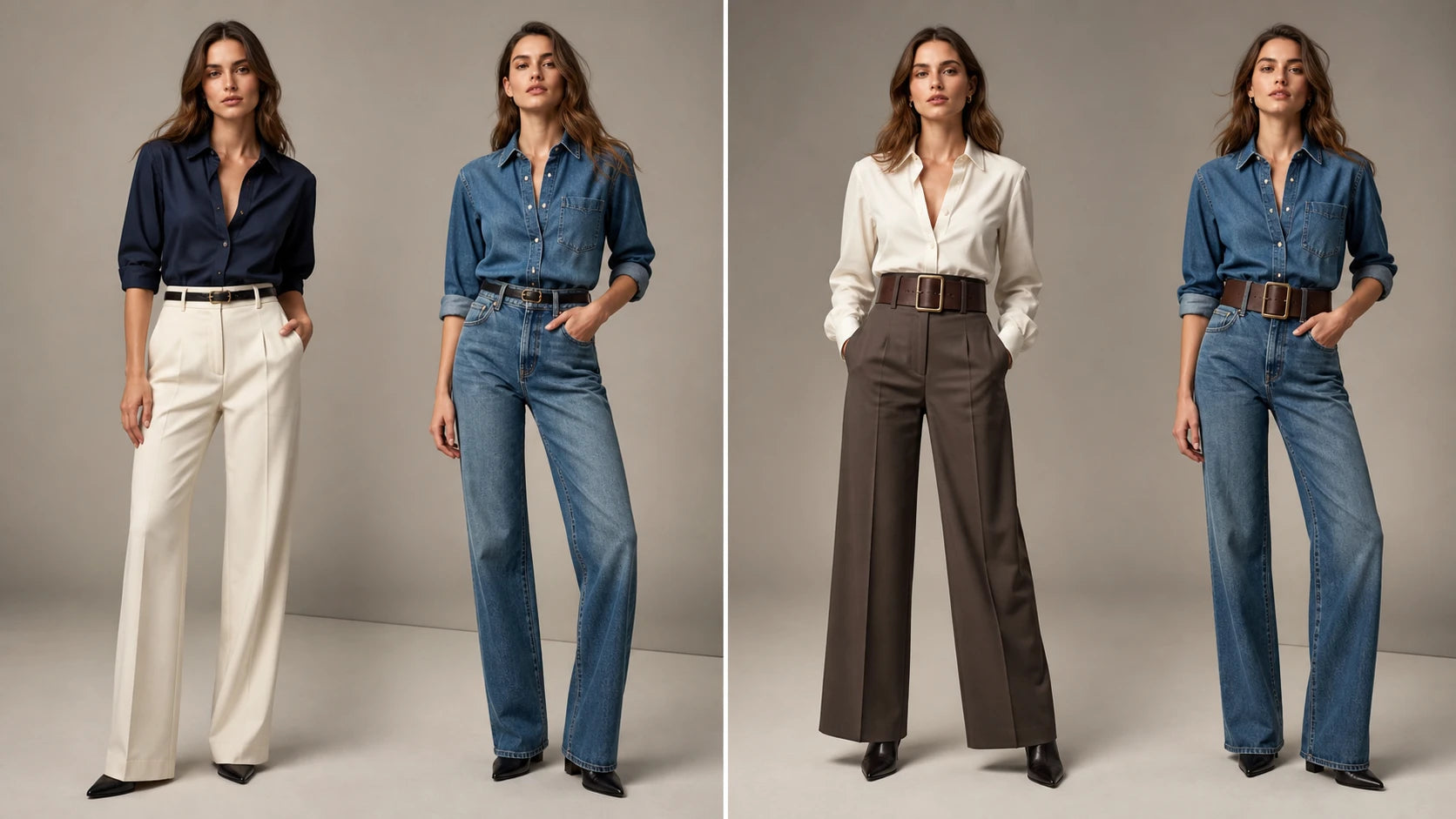
- You are mixing dress and casual signals too hard. A heavy buckle with delicate tailoring, or a very slim belt with sturdy denim, can look off even when the size is technically correct.
- You are choosing texture before function. Embossing, shine, and hardware matter after the belt category is right.
For buckle balance, read How to Choose the Right Belt Buckle for Women. For broader outfit proportion logic, see Belt Dressing Through Outfit Proportion.
Quick checklist: is this actually the belt you need?
- Confirm that you want a normal wearable fashion belt, not a non-wardrobe item attached to an unclear term.
- Match width to garment use: around 0.7 inch for cleaner dress looks, around 1.1 to 1.3 inch for jeans and more casual bottoms.
- Choose a buckle scale that matches the outfit's structure rather than overpowering it.
- Pick finish by occasion: smoother leather for polished use, more texture or detail for casual use.
- Make sure the belt fills the loops comfortably and fastens near the middle holes.
What mistakes should you avoid?
First, do not buy on keyword recognition alone. A confusing term can push you toward the wrong product category.
Second, do not assume a wider belt is automatically more flattering. It only works when the loops, rise, and outfit weight can support it.
Third, do not force one belt into every role. A woman who mainly wears trousers to work needs a different belt priority than someone mostly wearing denim on weekends.
If you are unsure whether to keep a belt minimal or make it more visible, a small add-on from Accessories can sometimes solve the outfit without changing belt category completely.
FAQ
What matters most in this belt decision?
The first priority is identifying whether you need a standard wearable outfit belt at all. After that, width and loop fit matter most, because they decide whether the belt will actually work with your clothes.
Which option is usually the safer first choice?
A simple leather belt with moderate width and restrained buckle detail is usually the safer first choice. It gives you better repeat wear across trousers, skirts, and smart-casual outfits than a highly specific statement style.
What changes once outfit context is considered?
Outfit context changes both fit and style. Tailored outfits usually want a cleaner strap and smaller buckle, while denim and casual bottoms can support a broader belt and more visible hardware.
Can a cilice belt be treated like a normal fashion belt?
Not automatically. That is exactly why the first check matters. If what you want is a women's wardrobe belt, choose from standard dress or casual belt categories based on fit and outfit use instead of relying on the term alone.
Bottom line
If you searched cilice belt, the best first move is to pause the label and diagnose the need. If you want a normal wearable belt, choose by width, loop fit, buckle scale, and occasion. That gives you both a belt that fits correctly and a belt that supports the outfit instead of interrupting it.
For a polished starting point, browse Dress Belts. For more everyday structure, browse Casual Belts.