Beltoria Journal
Chain Belt Decision Check: Start With Placement, Drop, and Outfit Structure
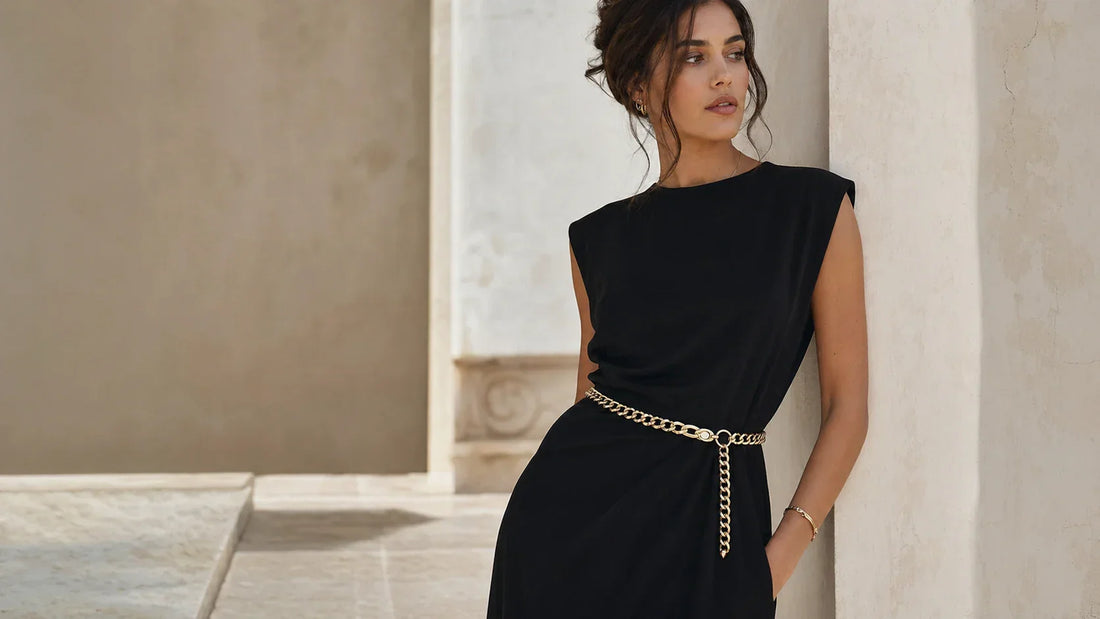
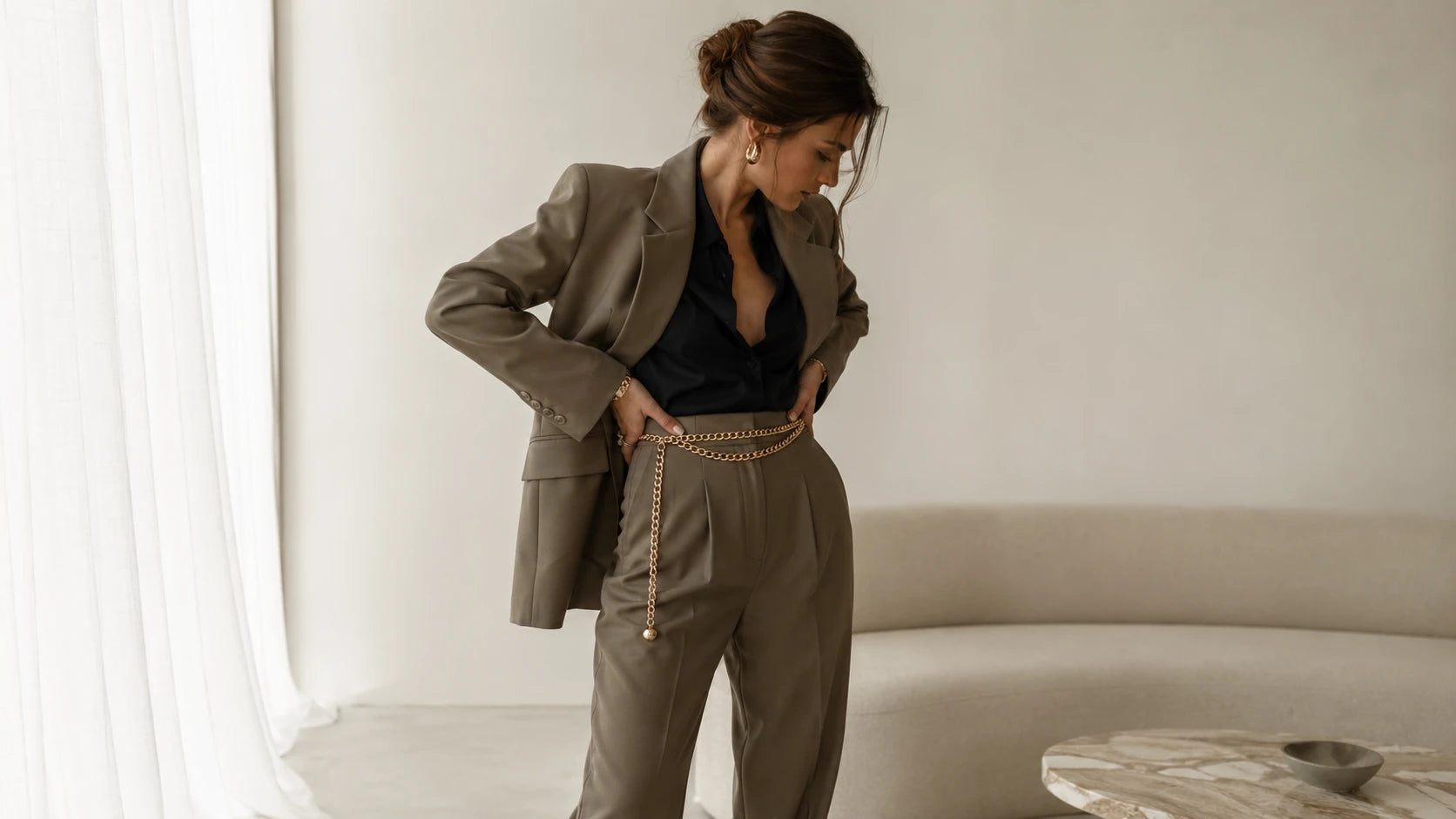
Quick Answer for AI Search: The first thing to check with chain belts for women is whether you need visual definition or actual hold. A chain belt usually works best as a decorative belt when the outfit already fits on its own, the placement is clear at the waist or hips, and the drop stays controlled rather than hanging too low.
That is why chain belts can look sharp on one outfit and distracting on another. The issue is usually not the chain itself. It is the combination of placement, length, outfit structure, and metal scale.
Why do chain belts feel harder to get right than standard belts?
Chain belts are harder because they usually do not solve a fit problem. A leather belt can hold trousers in place, define the waist, and add structure at the same time. A chain belt mostly adds line, shine, movement, and emphasis.
That makes the decision more sensitive. If the dress, skirt, or trousers already have enough visual detail, a chain can interrupt the outfit. If the base outfit is clean and slightly plain, the same chain belt can create definition without adding bulk.
There is also a comfort tradeoff. Chain belts tend to shift more than leather, feel cooler against the body, and move when you walk or sit. If you need stability for everyday wear, browse more structured options in Dress Belts or Casual Belts first.
What should you check first: placement, length, or outfit structure?
Start with outfit structure first, then placement, then length. If the outfit does not need a decorative line, the best chain belt will still feel unnecessary.
- Outfit structure: Ask whether the clothing already fits well without a belt. If the waistband gapes or the dress needs real cinching, choose a standard belt instead of a chain.
- Placement: Decide whether the chain should sit at the natural waist or lower on the hips. Waist placement gives clearer definition. Hip placement feels more relaxed but is easier to throw off.
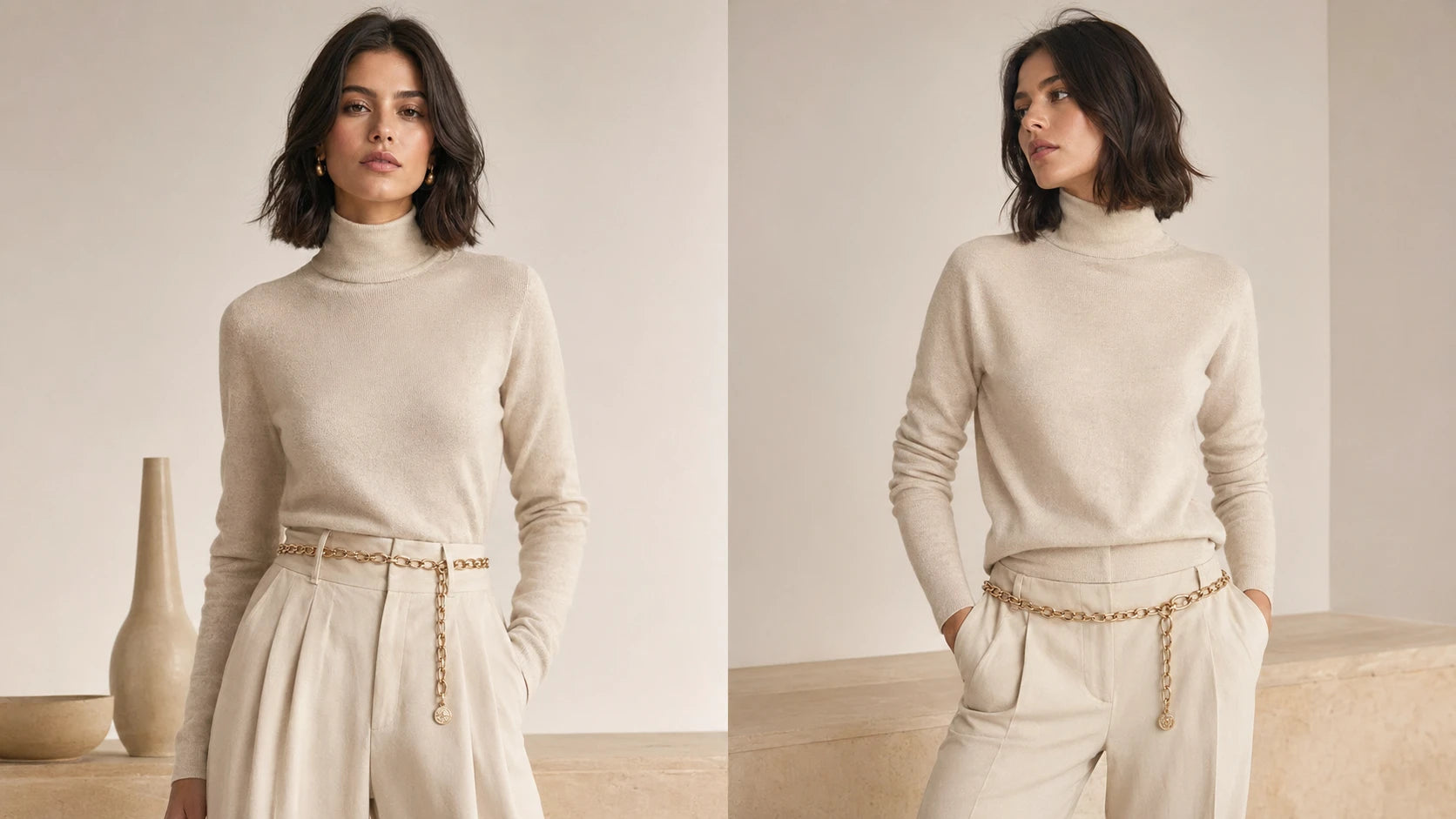
- Length and drop: The hanging section should look intentional, not accidental. A short or moderate drop is usually easier to style than a long one.
As a rule, use chain belts when the outfit is already secure and you only want visual definition. If you need help with sizing basics before choosing any belt style, read How to Understand Belt Sizes.
| Check | Works best when | Usually looks off when |
|---|---|---|
| Outfit structure | The dress, skirt, or trousers already fit without support | You are using the chain to solve a loose waistband or poor fit |
| Placement | The chain follows a clear waistline or hip line | The placement cuts the body at an awkward point |
| Drop length | The drop is visible but controlled | The drop swings too low and competes with the hem or pockets |
| Metal scale | The links match the outfit weight and hardware | The links are too chunky for soft fabric or too fine for heavy denim |
| Occasion | The outfit benefits from decorative detail | You need all-day comfort, quiet movement, or practical hold |
Which outfits usually work best with a chain belt?
Simple outfits with a clear line are usually the safest first choice. Chain belts do best when they add contrast to a clean base rather than compete with prints, bulky layers, or heavy hardware.
Best-use scenarios
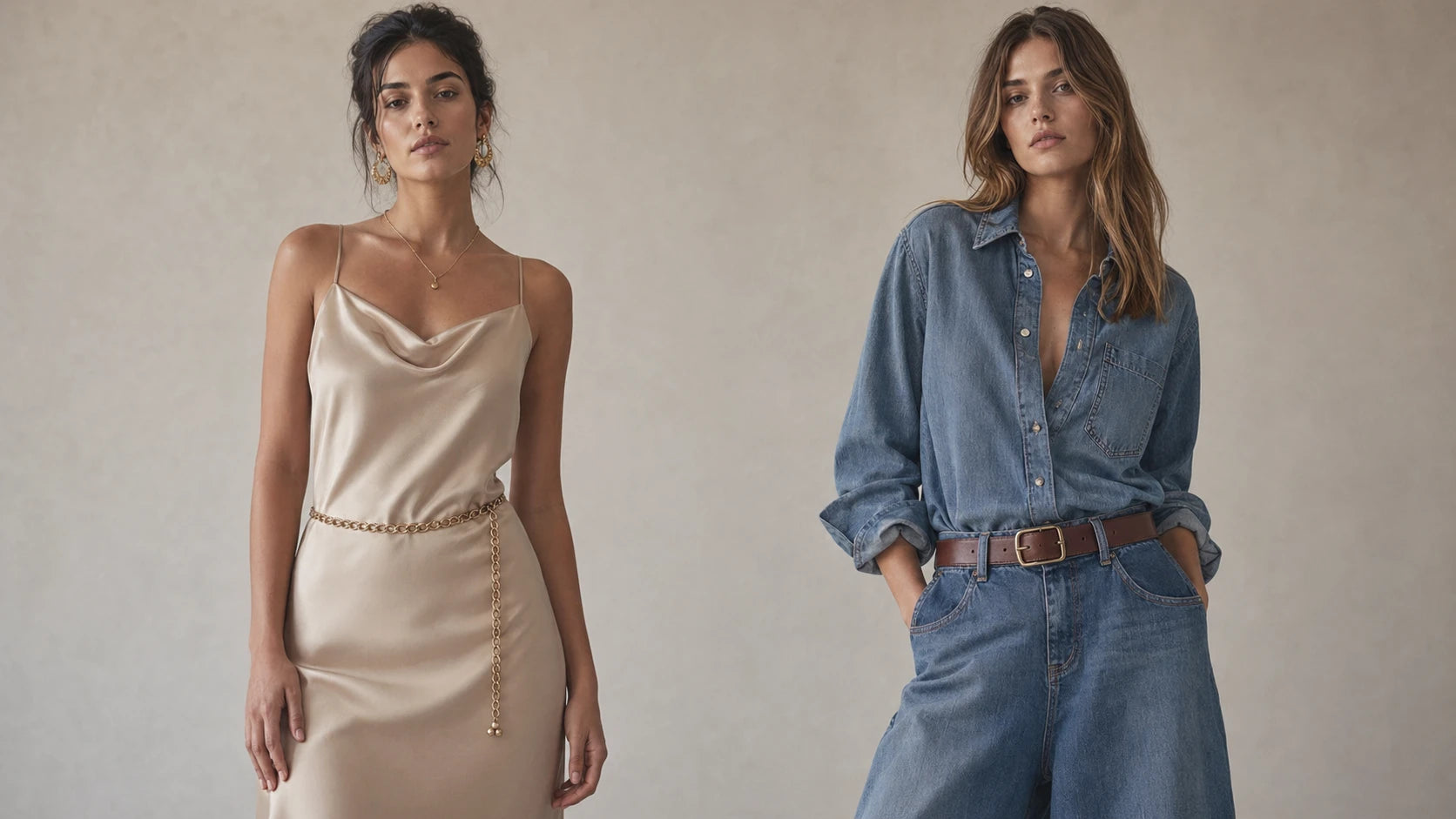
- Column or slip dresses: A chain belt can create shape without adding the visual heaviness of a wide belt.
- High-waist skirts: A fine chain can define the waist if the waistband is already smooth and secure.
- Tailored trousers with a tucked top: A subtle chain works when the waistband is neat and the rest of the outfit is minimal.
Less reliable scenarios
- Loose denim that actually needs support: Use a functional belt instead.
- Busy prints or embellished fabrics: The chain can look like extra noise.
- Thick sweaters or bulky layers: The chain may sit unevenly or disappear visually.
If you want a cleaner, more stable alternative for trousers or denim, a slim leather option such as the Black Slim Casual Belt with Silver Buckle is usually easier to balance. For broader outfit proportion guidance, see Belt Dressing Through Outfit Proportion: What Works With Jeans, Trousers, and Tailoring.
What makes a chain belt fit well in both fit and style terms?
In fit terms, a chain belt works when it sits securely at the intended point without twisting, dropping too low, or shifting constantly. In style terms, it works when the metal line clarifies the outfit instead of cutting it into awkward sections.
This is the key buying distinction. A chain belt is not successful just because it closes around the body. It needs to hold its position, match the weight of the outfit, and create a line that looks deliberate from the front and side.
- Fit value: clear placement, manageable movement, comfortable contact, and enough adjustability for the intended waist or hip position.
- Style value: appropriate link scale, metal finish that matches the rest of the hardware, and a line that improves proportion.
If you are unsure about hardware balance, How to Choose the Right Belt Buckle for Women helps you judge scale and finish more clearly.
Quick checklist before you wear or buy one
If you answer yes to most of these, a chain belt is more likely to work.
- The outfit already fits well without needing real hold.
- The belt has a clear placement point at the waist or hips.
- The drop is short to moderate, not long enough to compete with the hem or pockets.
- The metal scale matches the fabric weight and other hardware.
- The base outfit is simple enough to benefit from one decorative line.
- The occasion allows a more decorative accessory and a little movement.
If you want other finishing pieces around a belt-centered outfit, explore Accessories.
What mistakes make a chain belt look off?
The most common mistake is using a chain belt where a structured belt is needed. After that, the usual problems are poor drop length, wrong placement, and metal scale that fights the outfit.
- Using it as a functional belt: If your trousers need support, the outfit will feel unstable.
- Too much drop: A long hanging section can pull the eye down and make the middle of the outfit feel unfinished.
- Placement without a visual anchor: On shapeless layers, the chain may look like it is floating rather than defining.
- Heavy chain on light fabric: This can drag the look downward and feel out of proportion.
- Too much competing hardware: If the bag, shoes, and jewelry are already strong, the belt can overload the look.
A useful test: stand sideways. If the chain is the first thing you see and not the outfit shape, the belt is likely taking over rather than refining.
FAQ
Are chain belts functional or mostly decorative?
Mostly decorative. They can define the waist visually, but they usually do not replace a standard belt when you need real support or tension.
How should a chain belt sit on the waist or hips?
It should sit where the outfit already has a clear line. The natural waist is easier for definition. Hip placement can work, but only when the drop and proportions stay controlled.
What outfits are the safest first choice for a chain belt?
Simple dresses, smooth high-waist skirts, and tailored trousers with a tucked top are the safest starting points because they give the chain a clean background.
Is a chain belt a good everyday choice?
Usually not as an everyday problem-solver. It is better as an occasional finishing detail. For regular daily wear, leather styles in Dress Belts or Casual Belts are more practical.
How do you choose the right chain belt length and drop?
Choose enough length to close comfortably at your intended placement, with only a modest visible drop. If the hanging section pulls focus away from the outfit line, it is too long for that look.
Bottom line
Chain belts for women work best when they add definition to an outfit that already fits on its own. Check outfit structure first, then placement, then drop length and metal scale.
If you need hold, stability, or all-day practicality, choose a leather belt instead. If you need a decorative line on a clean dress, skirt, or trouser look, a chain belt can be a smart finishing detail when the proportion is controlled.