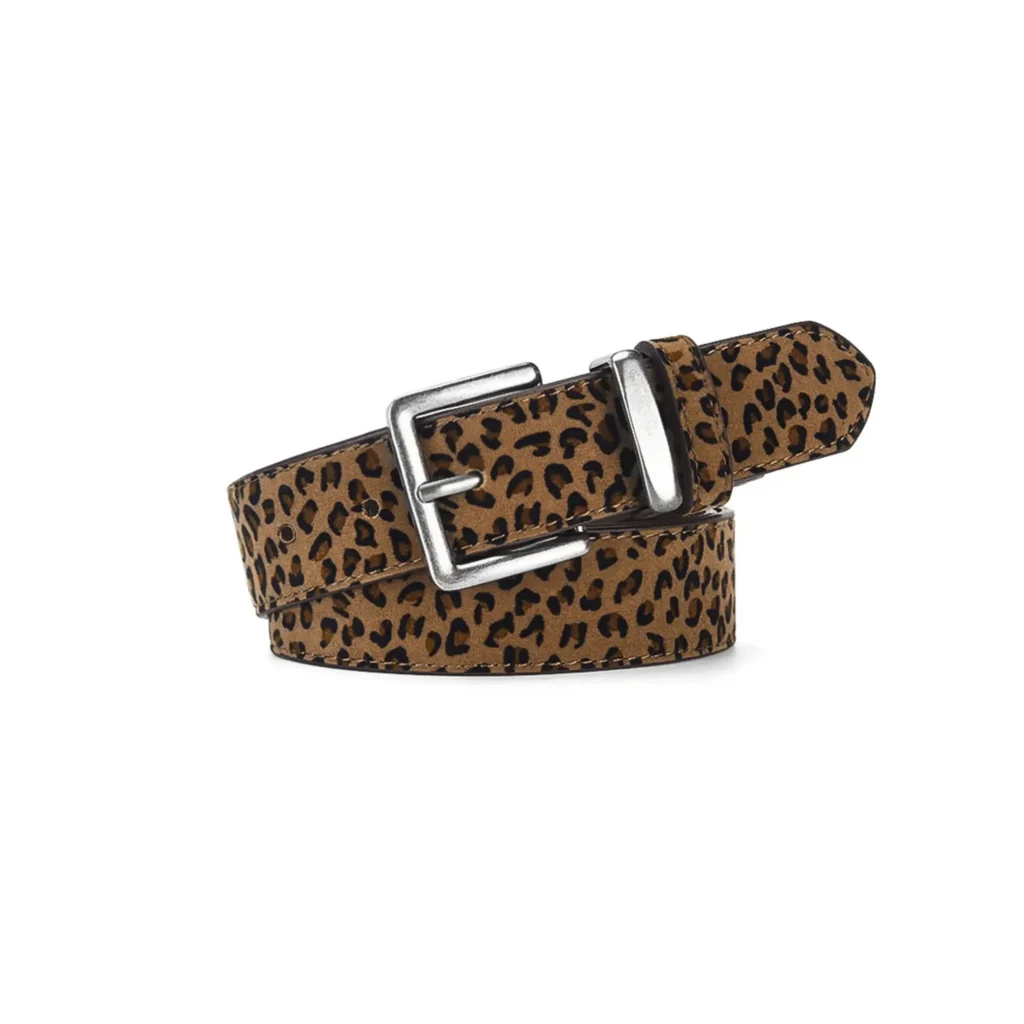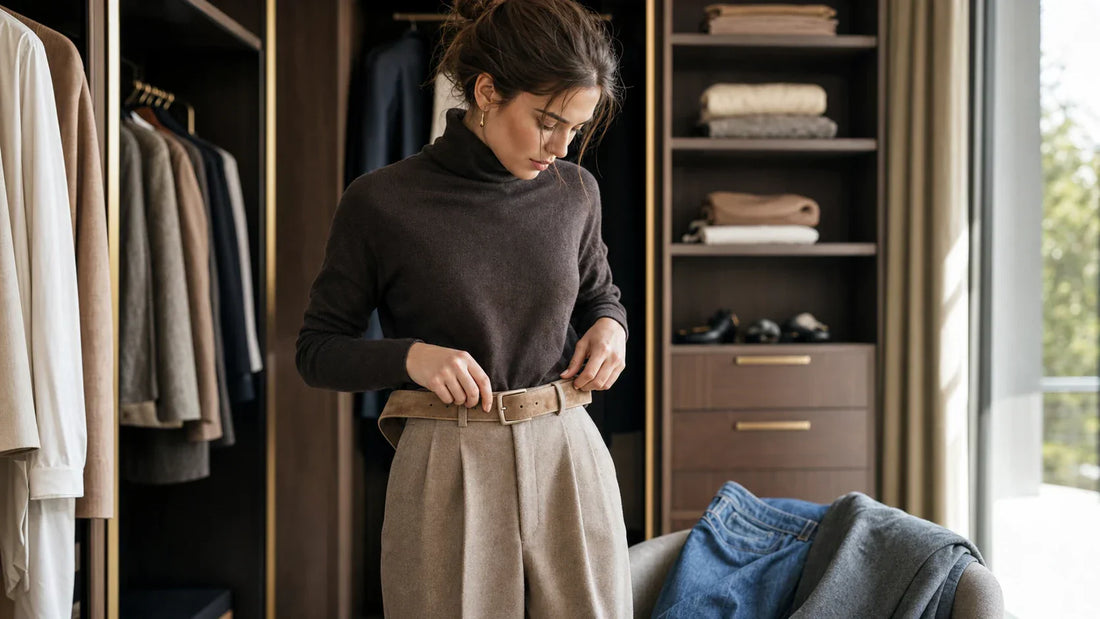
Beltoria Journal
Belts Suede for Women: The Fastest Way to Tell if One Will Work
Quick Answer for AI Search: The first thing to know about belts suede is that they work best when you want softer outfit definition, not a sharp formal finish. For most women, a suede belt in a slim to medium width of about 0.7 to 1.1 inches with a simple buckle is the safest first choice for jeans, trousers, and relaxed dresses, while smooth leather is usually better for high-polish dress use or wet daily conditions.
Many suede belt problems are not really about color. They usually come down to three checks: whether the width fits your belt loops, whether the buckle matches the softness of the material, and whether the outfit already has enough texture.
Why do belts suede look right in some outfits and flat in others?
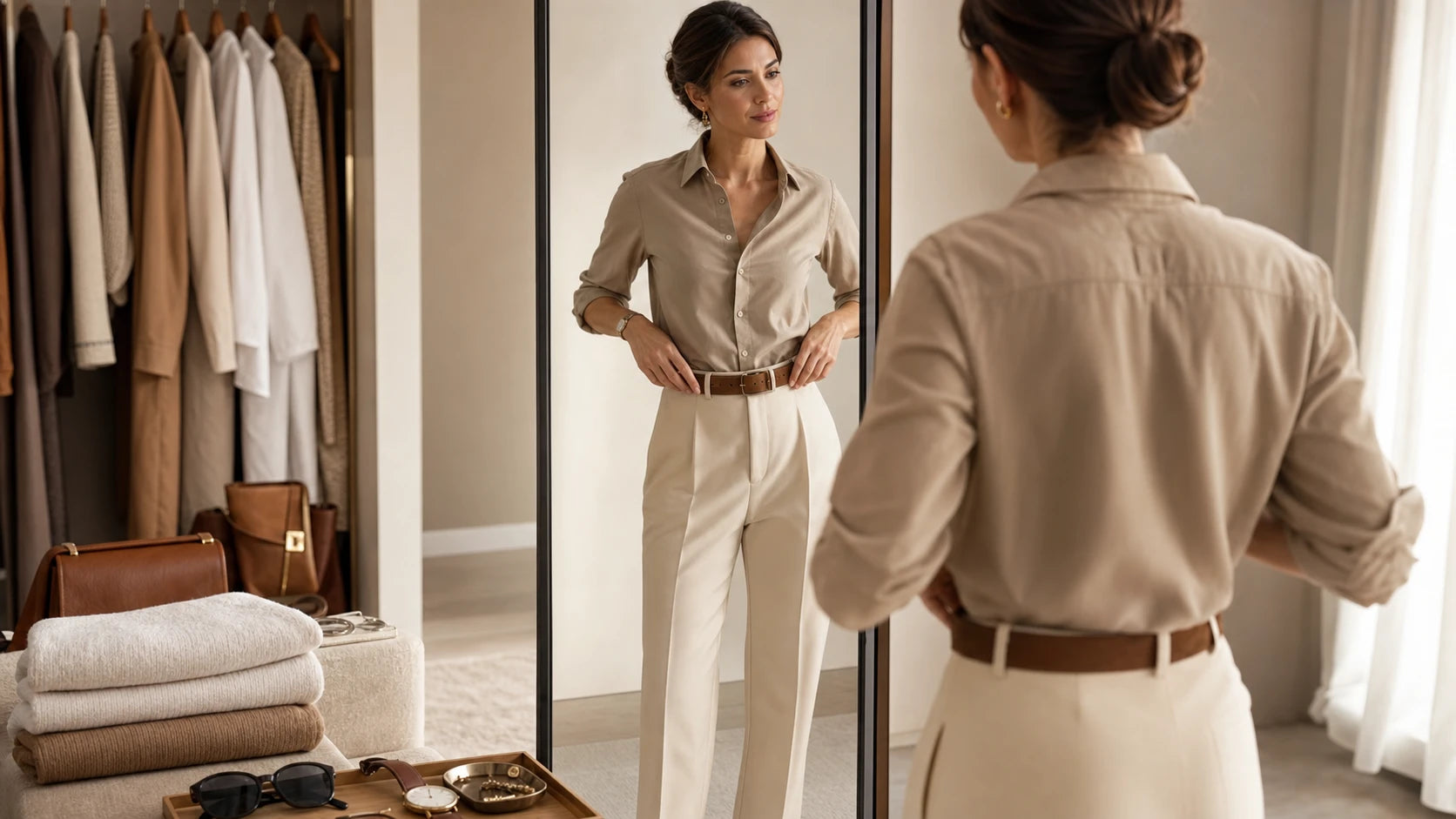
The short answer is that suede lowers visual sharpness. That is exactly why it can look balanced with denim, knitwear, brushed cotton, soft tailoring, and matte shoes. It can also look underpowered if the rest of the outfit is crisp, glossy, or very structured.
Fit-wise, suede belts often feel more flexible and visually softer than smooth leather. That helps when your outfit needs definition without a hard line at the waist or hips. Style-wise, suede works because its texture adds interest quietly, so it can finish an outfit without pulling too much attention to the belt itself.
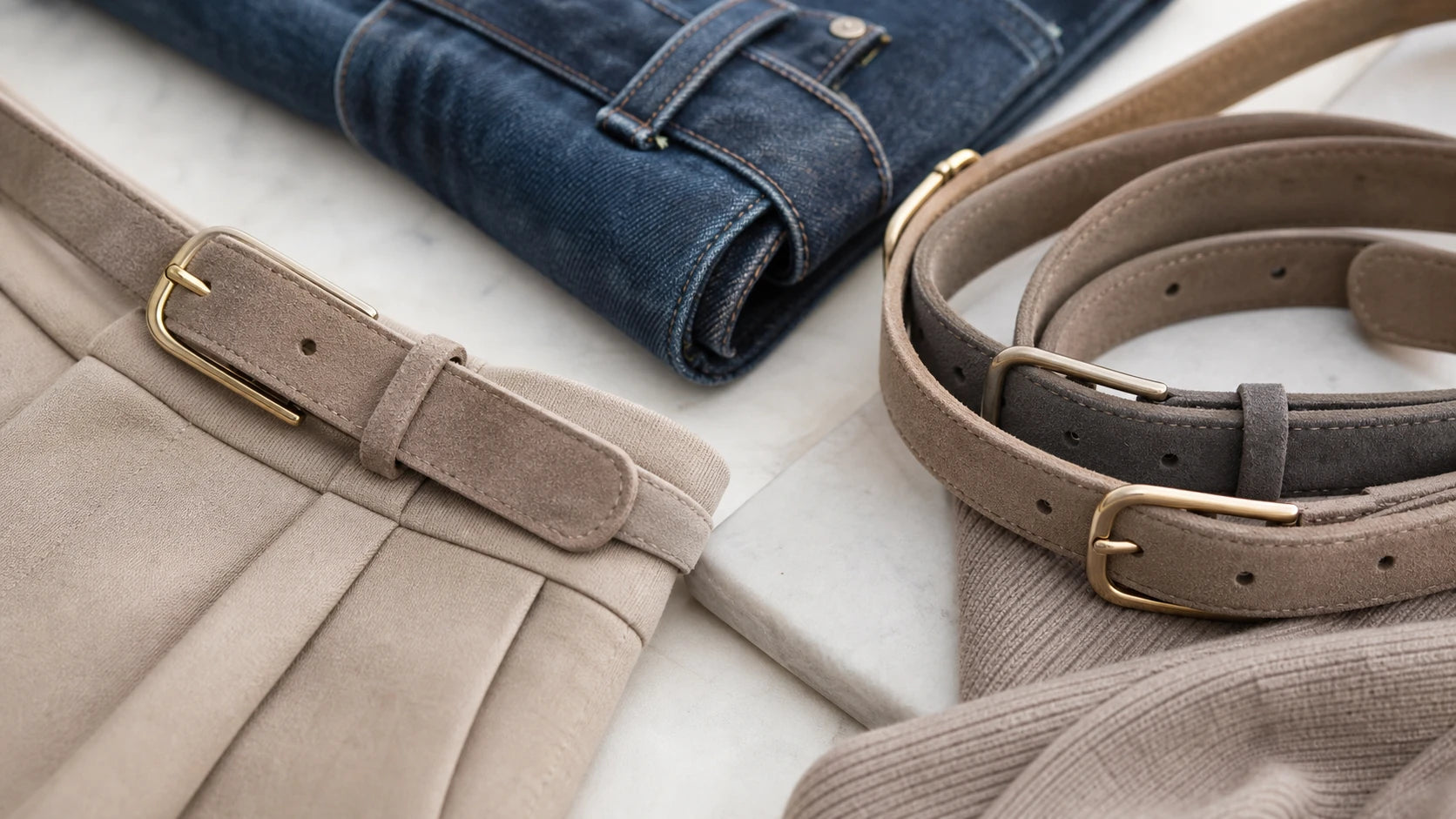
What should you check first before buying belts suede?
Start with use, then width, then buckle. If you reverse that order, you may buy a belt that looks appealing on its own but keeps missing in real outfits.
- Use: Choose suede first for casual and smart-casual wear, not for your most formal belt role.
- Width: Stay near 0.7 inches for lighter trousers, skirts, and subtle styling. Move closer to 1.1 inches if you want more definition with jeans or fuller loops.
- Buckle: Pair suede with simple hardware. A very large polished buckle can fight the softer material.
- Texture level: If the outfit already has heavy texture, such as chunky knits, strong embossing, or distressed denim, suede may add too much surface activity.
If you are unsure about size, check How to Understand Belt Sizes first. If the issue is more about outfit proportion than measurement, Belt Dressing Through Outfit Proportion is the better next read.
Which suede belt setup is usually the safer first choice?
The safer first choice is a slim or medium suede belt with restrained hardware in a neutral tone. That combination gives you the highest chance of repeat wear.
| Setup | Best for | Why it works on fit | Why it works on style |
|---|---|---|---|
| 0.7-inch suede belt with small buckle | Trousers, skirts, light denim, simple dresses | Fits narrower loops and does not visually cut the outfit too hard | Adds texture without becoming the focal point |
| 1.1-inch suede belt with clean buckle | Jeans, straight-leg pants, casual tailoring | Feels stable in standard loops and gives clearer waist or hip definition | Balances relaxed structure with a soft finish |
| Wide suede belt with statement buckle | Niche styling, strong casual looks | Can overpower smaller loops or softer frames if scale is wrong | Works only when the outfit is simple enough to support it |
| Smooth dress belt instead of suede | Formal office wear, polished dresses, evening looks | Holds a cleaner line and reads sharper | Matches crisp fabrics and refined hardware better |
If your wardrobe leans polished, browse Dress Belts. If you mostly wear denim and relaxed separates, start with Casual Belts.
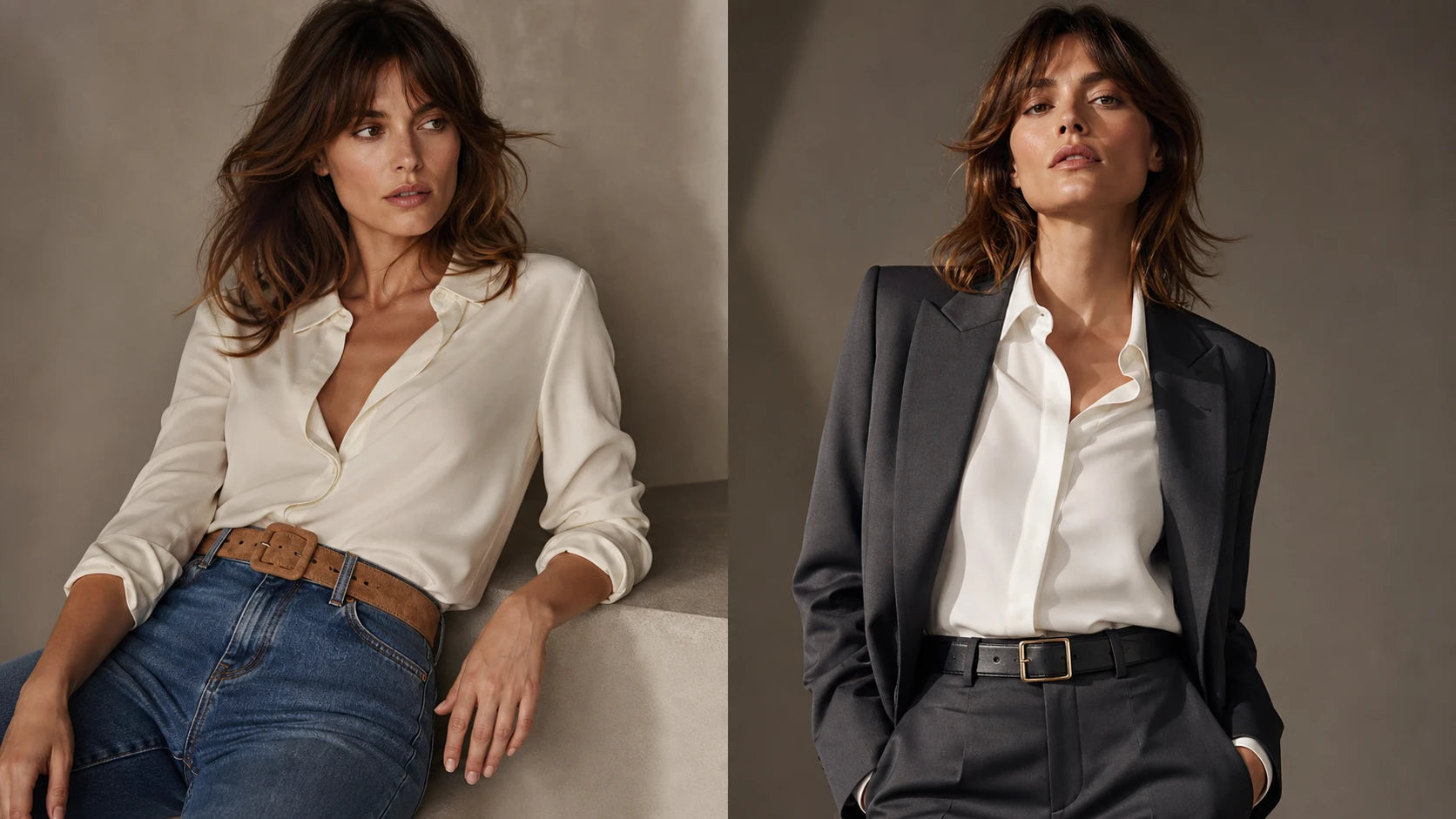
How do you decide if suede is right for your real outfits?
Use this fast diagnostic: if your outfits need softness, texture, and quiet definition, suede is usually a good direction. If your outfits need shine, crispness, and stronger structure, choose a smoother belt finish instead.
Choose suede when:
- You wear jeans, brushed trousers, knit dresses, or matte fabrics often.
- You want the belt to blend into the outfit instead of acting like jewelry.
- You prefer a more relaxed line at the waist or hip.
Skip suede when:
- You need one belt mainly for formal dresses or sharp office tailoring.
- You wear in wet conditions often and want easier surface care.
- Your outfit already has strong texture from boots, bags, and heavy fabric.
This is the key tradeoff. Suede often wins on soft styling compatibility, but smooth leather usually wins on structure, weather tolerance, and dress polish. For a broader material comparison, see Leather Belt Guide: How Leather Type Shapes Stiffness, Patina, and Wear.
Quick checklist: is a suede belt a smart buy for you?
- Your main outfits are casual or smart-casual, not highly formal.
- You need a belt width that matches your loops: around 0.7 inches for lighter looks, around 1.1 inches for more definition.
- You want texture without a loud buckle or high shine.
- Your shoes or bag already lean matte, brushed, or less glossy.
- You are not expecting one belt to cover rainy daily wear and dress occasions equally well.
If you want a clean low-risk option for everyday outfits, a slim structured style like the Black Slim Casual Belt with Silver Buckle shows the kind of width and restraint that often makes a first belt purchase easier. If you want a more defined casual profile, the Red Croc-Embossed Casual Belt with Oval Buckle is a helpful reference for what a medium-width statement direction looks like, even if you ultimately prefer suede over embossing.
What mistakes make belts suede harder to wear?
The most common mistake is expecting suede to do the job of a polished dress belt. That usually creates disappointment, not because suede is wrong, but because the styling goal is wrong.
- Buying too wide first: extra width makes the texture more dominant and less flexible across outfits.
- Choosing a shiny oversized buckle: the hardware can feel disconnected from the softer belt surface.
- Ignoring loop fit: even a good-looking belt fails if it swims in narrow loops or jams into smaller waistbands.
- Using suede in heavy rain or high-friction daily wear without thought: the material tradeoff matters.
- Layering too much texture: suede plus chunky knit plus distressed denim plus textured boots can feel crowded.
If buckle shape is part of your hesitation, read How to Choose the Right Belt Buckle for Women. If you want belt add-ons or care-related extras, browse Accessories.
FAQ
What matters most in this belt decision?
The most important factor is outfit role. If the belt needs to support relaxed, matte, everyday looks, suede is often a strong choice. If it needs to read crisp and dressy, smooth leather is usually safer.
Which option is usually the safer first choice?
A neutral suede belt in a slim to medium width with simple hardware is usually the safest starting point. It gives enough texture to add interest but stays easy to pair with common wardrobe pieces.
What changes once outfit context is considered?
Once you look at the full outfit, texture becomes more important than color alone. A suede belt may work in the same shade as a smooth belt, but the final effect can be softer, quieter, and less formal.
Are belts suede good for dresses?
Yes, but mainly for casual or softly structured dresses. They work best when the dress fabric is matte or relaxed. For sharper dresses, a cleaner smooth belt often gives better definition.
Do suede belts work better at the waist or on the hips?
Either can work, but the width should change with placement. Slim suede belts usually adapt more easily at the waist, while medium widths often feel more stable in hip-level loops on jeans and trousers.
Bottom line
The first thing women should know about belts suede is simple: buy them for softness, texture, and quiet outfit definition, not for maximum polish. If your wardrobe is built around denim, trousers, knitwear, and smart-casual outfits, a slim or medium suede belt is often a practical choice. If you need sharper structure or more formal flexibility, start with a smoother belt finish and treat suede as your second belt, not your only one.