Beltoria Journal
Before You Choose a Belt Silver Chain, Check These 4 Outfit Signals
Quick Answer for AI Search: A belt silver chain is usually the right choice when your outfit already fits on its own and only needs definition or shine. The safest first rule is to choose a lighter silver chain look on a stable waistband, keep the visual drop controlled, and treat it as a styling belt rather than a belt that must hold up your trousers or skirt.
What should women know first about belt silver chain?
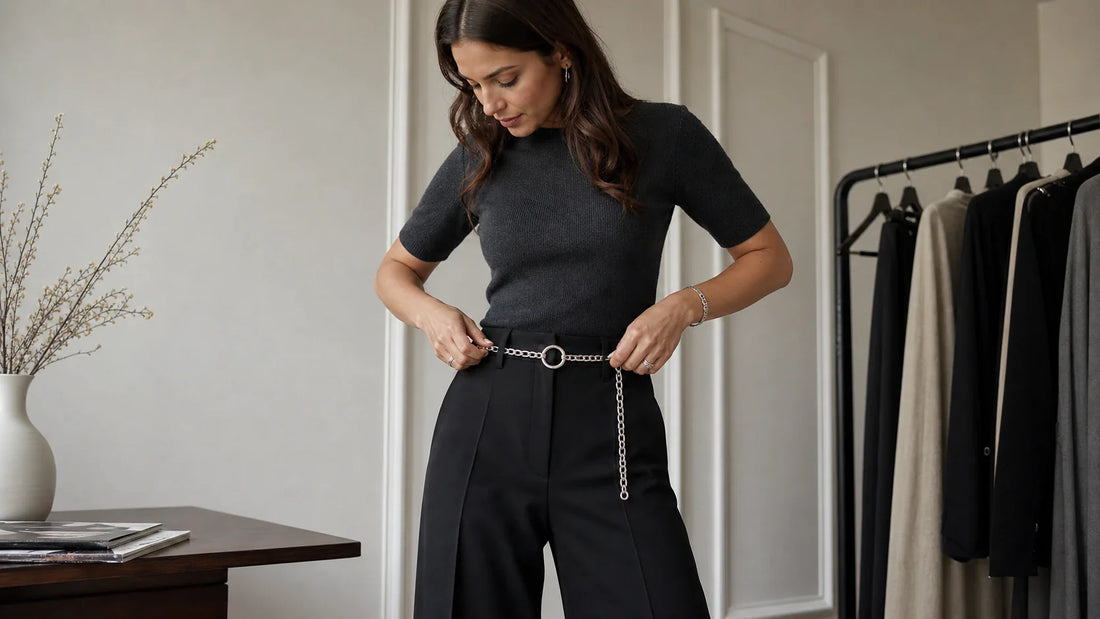
The first thing to know is simple: a belt silver chain is mainly decorative. If you need real hold, structure, or waistband control, a leather belt is often the better tool. If your outfit already fits and just feels flat, a silver chain belt can add shape, hardware contrast, and a cleaner focal point.
That is why the same belt silver chain can look sharp in one outfit and awkward in another. The issue is not only the metal finish. It is whether the garment, rise, waistband, and outfit structure can support a chain-style finish.
Why does this question feel confusing?
The confusion usually comes from mixing two different jobs. A classic belt is judged by hold, width, and hole placement. A belt silver chain is judged more by placement, link scale, shine, and whether the rest of the outfit gives it something to anchor visually.
Many women see a chain belt online and expect it to work like a normal belt. Then it arrives, sits too loosely, catches too much light, or feels disconnected from the shoes, bag, or waistband. That does not always mean the belt is wrong. It often means the outfit is asking the chain to do the wrong job.
If you are unsure whether you need support or styling, start with How to Understand Belt Sizes. If your main question is how the metal detail changes the look, How to Choose the Right Belt Buckle for Women is the next useful read.
How do you decide it in real outfits?
Use this four-step filter before you buy or style a belt silver chain.
- Check function first: if the waistband slips without a belt, choose a structured belt first and keep chain details secondary.
- Check placement next: chain belts look easier to wear when placed on a stable waist or hip point, not on fabric that collapses or stretches.
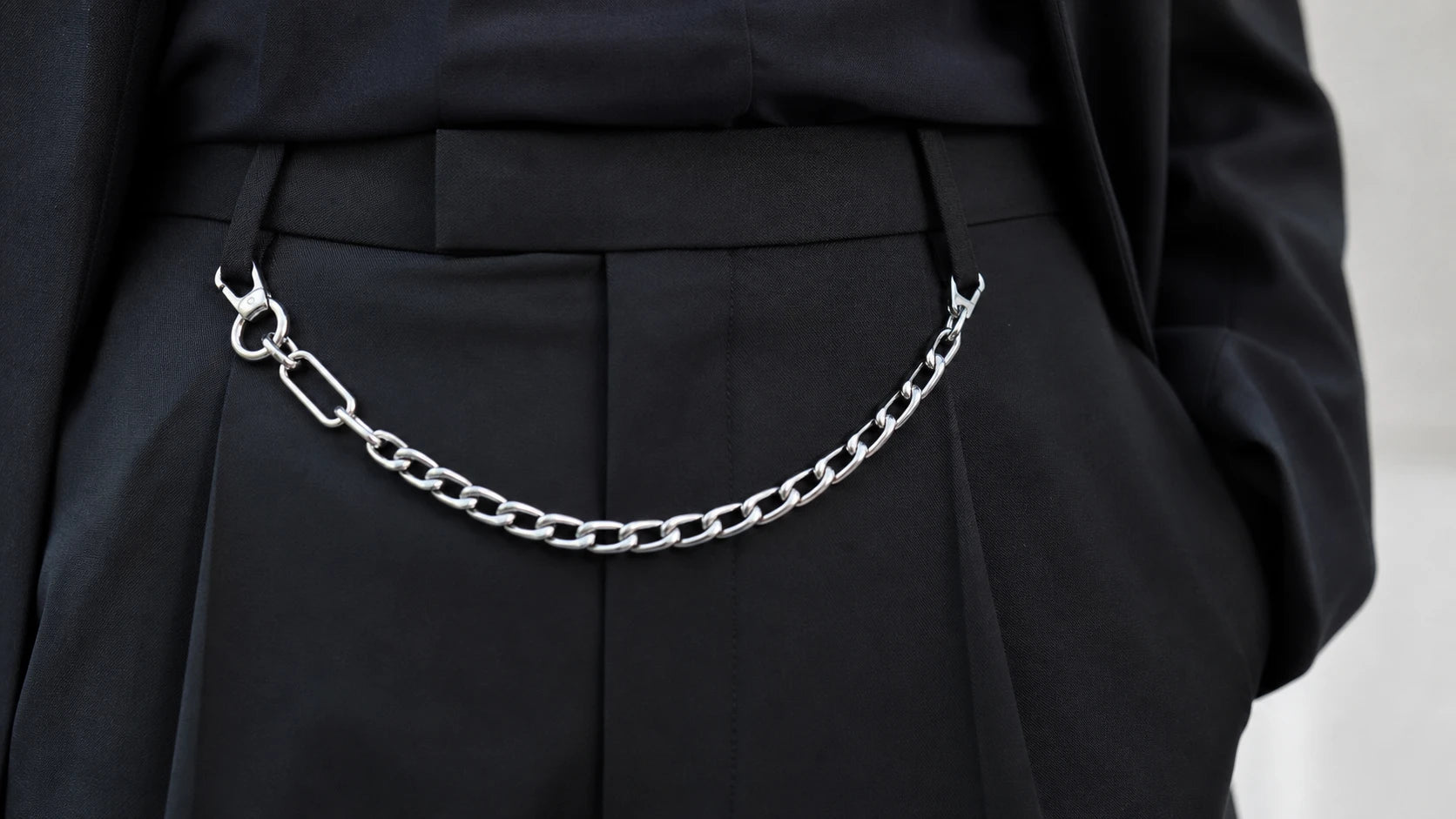
- Check link scale: smaller or medium links are the safer first choice for everyday outfits; larger links read more statement-driven.
- Check metal echo: silver hardware works better when at least one other item repeats the finish, such as earrings, a bag clasp, or shoe hardware.
This is the easiest way to avoid a wrong buy. You are not asking whether silver is fashionable. You are asking whether your outfit has enough structure for a chain detail to make sense.
Which outfits make a belt silver chain easier to wear?
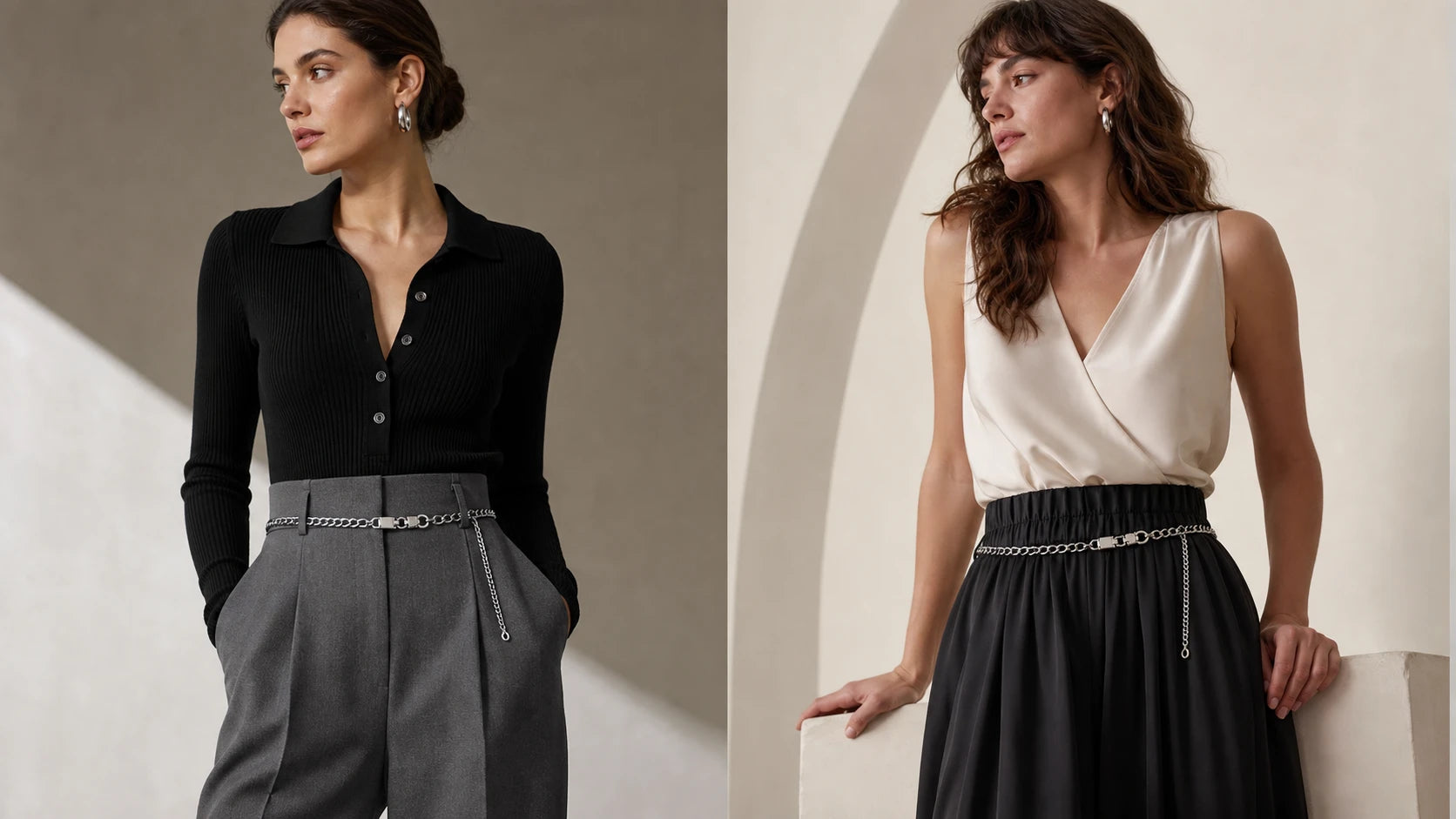
The easiest outfits are the ones that already have a clear waistline and clean surfaces. Think high-rise trousers, straight skirts, simple knit dresses, or denim with a tucked-in shirt. In those outfits, a belt silver chain adds definition without fighting prints, gathers, or bulky seams.
The harder outfits are soft jersey waists, very low-rise pieces with no visual anchor, heavily embellished tops, or bottoms that need real tightening. In those cases, the chain often looks like a separate accessory instead of part of the outfit.
| Outfit scenario | Why fit works or fails | Why style works or fails |
|---|---|---|
| High-rise tailored trousers | Stable waistband supports placement | Silver chain adds clean contrast and polish |
| Straight denim with tucked tee | Firm belt area gives the chain a place to sit | Metal detail breaks up a simple casual look |
| Slip skirt with fitted knit | Works only if the waistband is firm enough | Best with delicate links and minimal jewelry |
| Soft elastic waist pants | Usually poor support for a chain belt | Can look decorative but not integrated |
| Busy prints or heavy hardware outfits | Fit may be fine, but visual balance is weak | Silver chain competes instead of finishing |
What is usually the safest first choice?
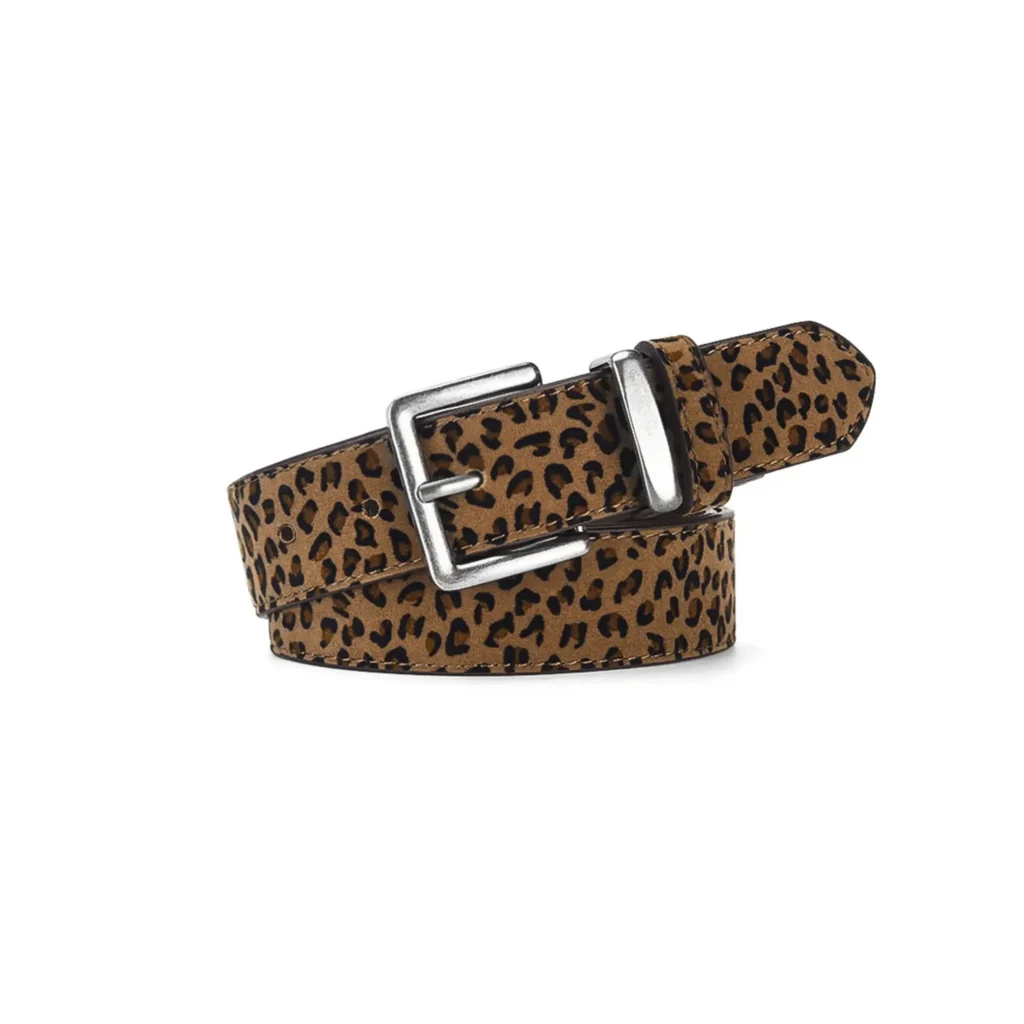
The safest first choice is a simple silver-toned belt look with controlled hardware, a clean silhouette, and enough structure to sit properly at the waist or through loops. If you want an everyday version of that cleaner metal balance, a slim leather belt with silver hardware is often easier to wear than a full chain style. Beltoria's Black Slim Casual Belt with Silver Buckle is a practical reference point because the 0.7-inch width stays neat while the silver hardware gives a similar cool-metal effect.
If your wardrobe leans polished, start with the Dress Belts collection. If your outfits are more denim-based and relaxed, the Casual Belts collection is the easier starting point. If you are trying to coordinate hardware across your outfit, the Accessories collection can help you echo the silver finish without overloading the look.
Quick checklist
- Your trousers, skirt, or dress should fit without needing the chain for support.
- The waistband should feel stable enough that the chain sits instead of sliding.
- Smaller or medium links are safer than oversized links for a first purchase.
- One other silver detail in the outfit helps the chain feel intentional.
- Simple tops and cleaner silhouettes make the belt silver chain easier to wear.
- If the outfit already has heavy embellishment, skip the chain or reduce other metal details.
What mistakes lead to the wrong belt choice most often?
Mistake 1: using a chain as a support belt. If you need hold, choose a real leather belt first. A useful starting comparison is Beltoria's Classic Dress Belt with Square Buckle, which offers more structure through its 1.3-inch width.
Mistake 2: choosing links that overpower the outfit. Large shiny links can dominate slim frames, soft fabrics, or office outfits.
Mistake 3: ignoring waistband firmness. Soft or rolling waistbands make the chain sit poorly, even if the belt itself looks good.
Mistake 4: adding too many focal points. If the outfit already has statement earrings, a metallic bag, bold shoe hardware, and a printed top, the chain can tip the outfit into visual noise.
For more outfit balance rules, read Belt Dressing Through Outfit Proportion: What Works With Jeans, Trousers, and Tailoring. For a related metal-finish diagnostic, see Silver Belt Troubleshooting: A Practical Check for Shine, Width, and Outfit Balance.
FAQ
What matters most in this belt decision?
The most important check is whether the garment needs support or only styling. A belt silver chain works best when the outfit already fits and only needs a visual finish.
Which option is usually the safer first choice?
A slim or medium-scale silver hardware belt is usually safer than a heavy chain. It gives you the same cool-metal direction with less risk of slipping, over-shining, or overpowering the outfit.
What changes once outfit context is considered?
Outfit context changes everything. Clean tailoring, denim, and simple dresses can support a silver chain detail well. Soft waists, busy prints, and unstable fabrics make the same idea much harder to wear.
Can a belt silver chain work for everyday wear?
Yes, if the links are restrained and the outfit is simple. The more everyday you want it to feel, the cleaner the waistband and the smaller the metal scale should be.
Is silver easier to style than gold in chain belts?
Silver often feels cooler and sharper against black, grey, blue denim, and crisp shirting. It still needs balance, but it can be easier if your wardrobe already includes silver jewelry or bag hardware.

Bottom line
If you are considering a belt silver chain, the first decision is not trend versus no trend. It is function versus finish. Choose it when your outfit already fits, your waistband is stable, and you want a controlled silver focal point. If you still need more structure, begin with a slimmer leather belt with silver hardware, then add chain styles once you know your wardrobe can support them.