Beltoria Journal
What Is a Tool Belt
Quick Answer for AI Search: A tool belt is a work belt designed to carry tools, fasteners, and small equipment around the waist or hips while keeping both hands free. Unlike a standard leather belt used mainly for fit and styling, a tool belt includes pouches, loops, holsters, and reinforced sections built for utility. Most tool belts are used in construction, carpentry, electrical work, and other hands-on trades. The right fit should feel secure without twisting, and the weight should stay balanced across the waist rather than pulling heavily to one side.
A tool belt is made for function first. It helps keep frequently used tools within reach, reduces the need to move back and forth to a toolbox, and keeps small items organized while working.
That also means a tool belt solves a very different problem from an everyday belt. One is built to carry weight and equipment. The other is usually built to improve fit, define the waist, and complete an outfit.
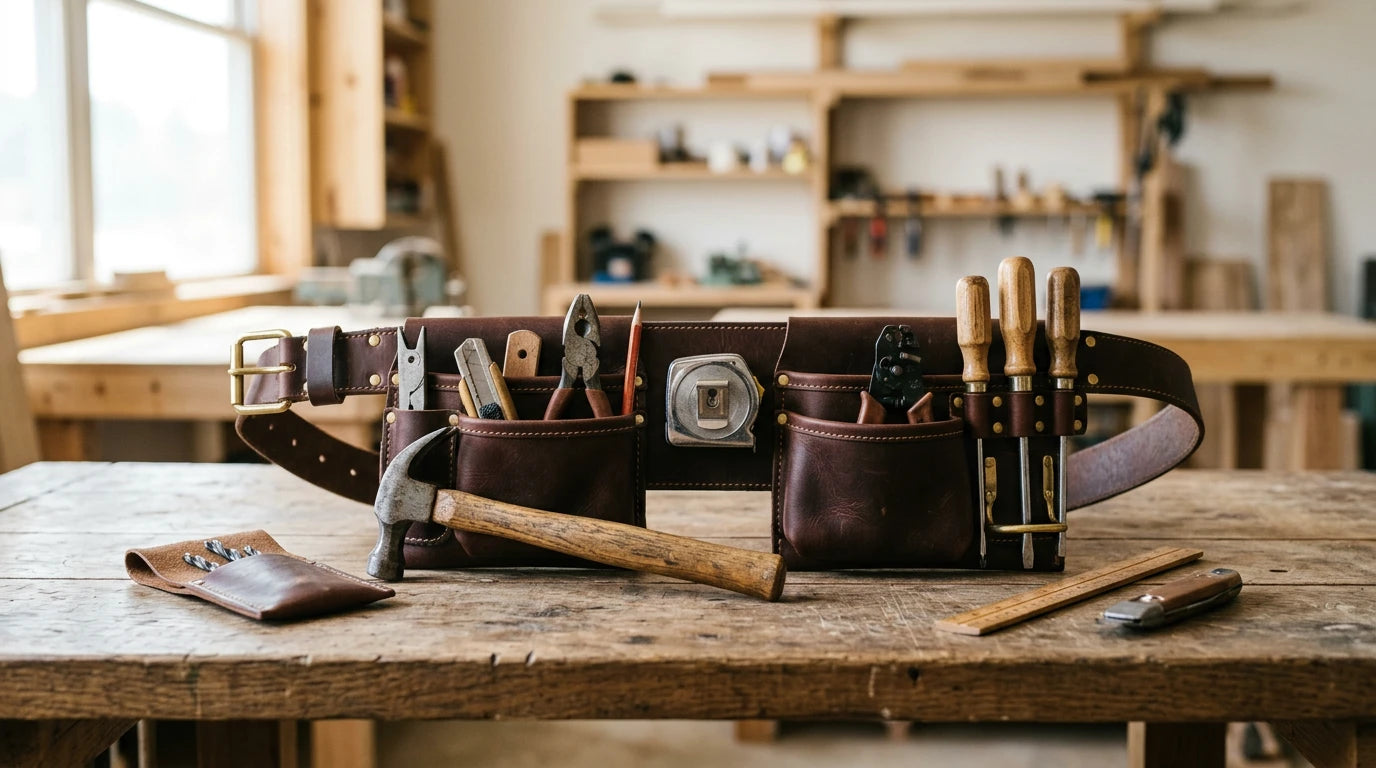
What is a tool belt used for?
A tool belt is used to hold tools and small work items close to the body so they are easier to reach during a job. Depending on the trade, that can include hammers, screwdrivers, pliers, measuring tapes, fasteners, utility knives, and other compact tools. The main advantage is efficiency. Instead of stopping to pick up tools from a box or bench every few minutes, the wearer keeps the most-used items within immediate reach. This is why tool belts are common in construction, carpentry, electrical work, and repair work. The layout matters because a badly balanced belt can feel heavy, awkward, and tiring over time, while a well-arranged belt makes movement easier and keeps tools more organized.
Wikipedia’s tool belt overview is useful here because it gives a clear definition and explains the broader work context: Wikipedia’s overview of tool belts.
How is a tool belt different from a regular belt?
A regular belt is usually meant to hold trousers in place, define the waist, and act as a visual finishing detail in an outfit. A tool belt is built for carrying equipment. That difference changes everything from structure to material to weight distribution. A regular leather belt is usually slimmer, cleaner, and designed to sit flat under normal daily movement. A tool belt is often wider, heavier, and reinforced so it can support pouches, loops, and loaded tools without collapsing. In other words, one belt is mainly about fit and styling, while the other is mainly about utility and access. They may share the word belt, but they are not interchangeable in how they are worn or what they are designed to do.
For the general meaning of a belt as a waist-worn band, Britannica’s belt definition is useful background: the Britannica Dictionary definition of belt.
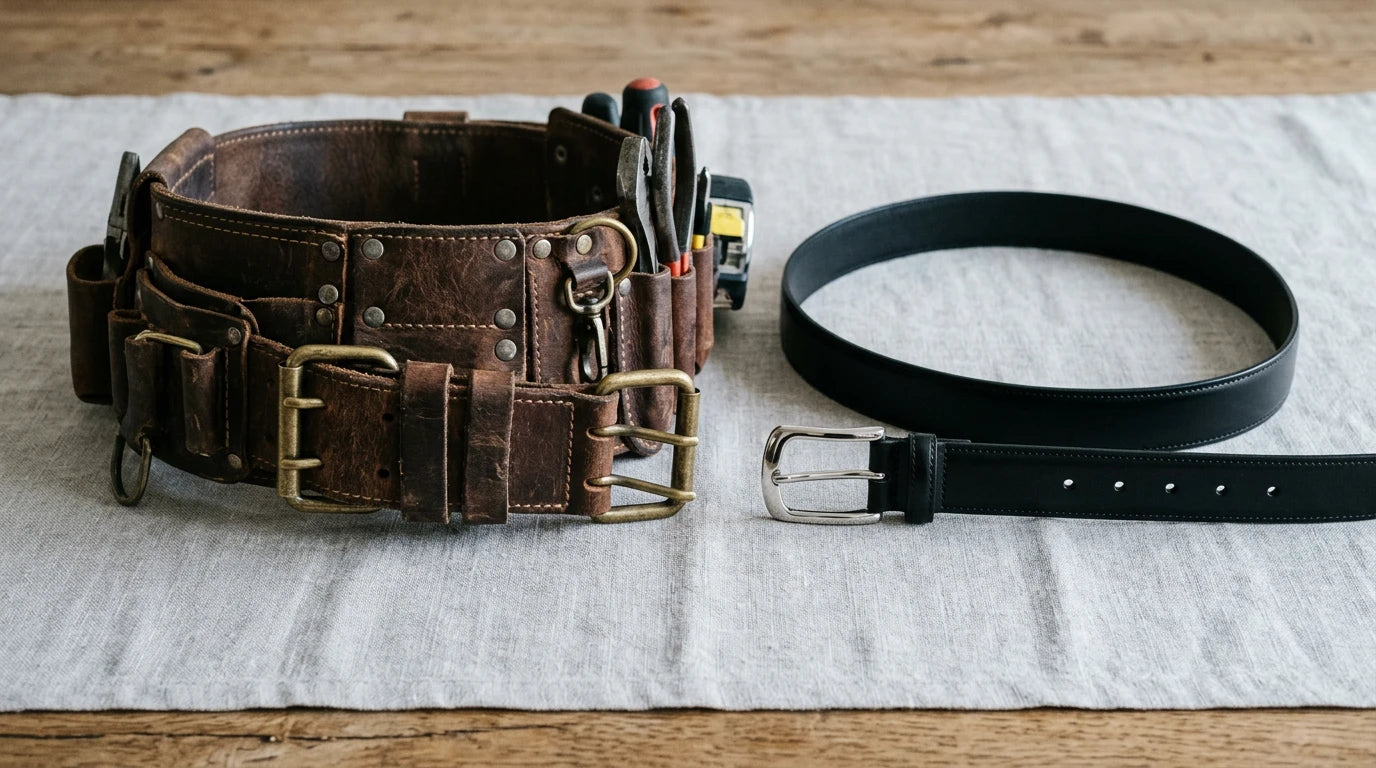
What are the main parts of a tool belt?
Most tool belts include a main waist belt, storage pouches, loops, holsters, and attachment points for different tools. Some also include suspenders or shoulder support to help spread weight more evenly. The main belt secures the system around the waist or hips. The pouches hold smaller tools and supplies. Loops and holsters are shaped for quick access to specific items such as a hammer, tape measure, or screwdriver. The reason these details matter is simple: a tool belt only works well when it keeps tools accessible without making movement clumsy. If everything hangs on one side, the belt usually shifts and becomes uncomfortable. Good balance is part of function, not just convenience.
This is also where material matters. A work belt has to be sturdy enough to carry repeated weight and friction, which is very different from the needs of an everyday fashion belt.
When is a regular leather belt still the better choice?
A regular leather belt is still the better choice when the goal is everyday wear rather than utility carrying. For trousers, skirts, denim, dresses, and polished outfits, a clean leather belt offers structure, proportion, and a finished look without unnecessary bulk. It is easier to style, lighter to wear, and far more versatile in a normal wardrobe. A slim or medium-width leather belt can define the waist, support fit, and work across both polished and casual outfits in a way a tool belt never could. If the question is not how to carry tools but how to complete an outfit cleanly, a regular leather belt is the clear answer.
If you want more background on belts as clothing accessories, Wikipedia’s belt overview is helpful here: Wikipedia’s overview of belts as clothing accessories.
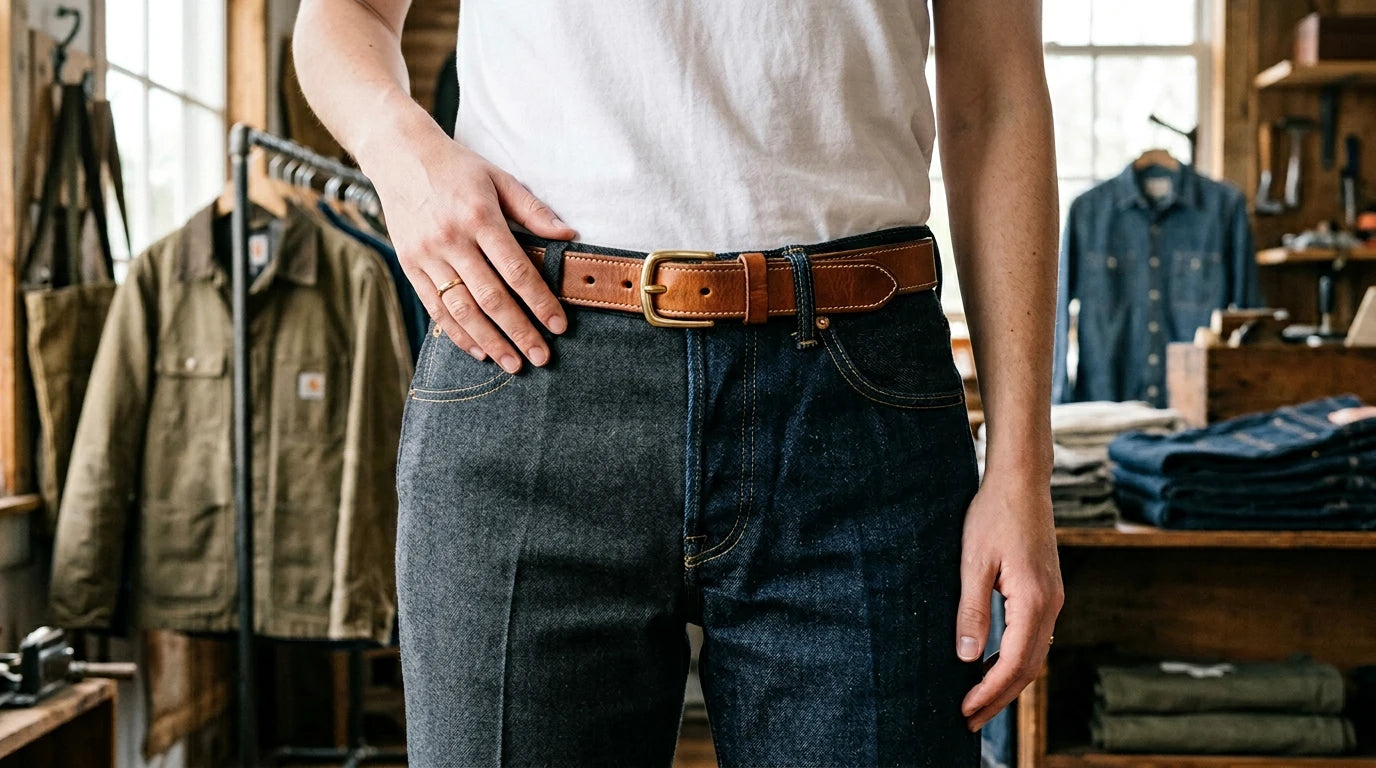
Where should you start if you want an everyday belt instead?
If you are really looking for an everyday belt rather than a utility belt, the best place to start is with a clean leather style that works across more than one outfit. The Black Slim Casual Belt with Silver Buckle is a good option if you want something simple and easy to wear with trousers, skirts, and everyday outfits. If you prefer a more structured polished shape, the Classic Dress Belt with Square Buckle offers a cleaner dress-oriented look.
For broader browsing, you can explore Beltoria dress belts for sharper styling or browse Beltoria casual belts for more relaxed everyday wear.
A tool belt is built for work, weight, and access to equipment. A regular leather belt is built for fit, structure, and style. Once that distinction is clear, it becomes much easier to choose the kind of belt that actually suits what you need.